


The impact of war on design
The year 2022 brought a full-scale invasion to Ukraine, which structurally changed not only the realities and everyday life of Ukrainians but also the national economy and industry. Along with that, Ukrainian industrial design is undergoing transformation, which has always been characterized by its relevance and timeliness. An example of the revival of design culture for Ukrainian artists could be Europe and the USA during the 1940s-1960s, which experienced a true Renaissance after the Second World War. Read about the paths post-war design could take and the stages it went through in the 20th century in the new post.
The impact of war on design
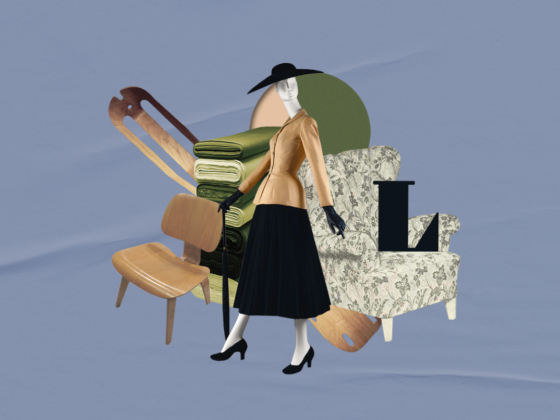
The years of the war from 1939 to 1945 affected all spheres of public life without exception. Their influence on design became significant. During the war, all resources were directed towards the development of military equipment and communication means, which required new approaches to design. This necessitated the modernization of production, standardization of processes, and the use of new materials and technologies. Design had to be rational and simplified due to limited resources and the desire to increase productivity. Military symbolism, which was placed almost everywhere, had a significant influence. The wartime era saw the development of plastics as a new material, which introduced countless possibilities into design. Design promoted practicality and functionality, convenience, and simplicity in everyday objects. Post-war design partially embraced this trend, bringing its own changes to it.
Europe
The destruction of cities and the collapse of the economy in post-war Europe were colossal. However, leading figures and politicians envisioned the future of their countries and created structures for the development of design. European cities lay in ruins, there was a catastrophic shortage of bread, coal, and other necessities. The primary task became the construction of housing, which needed to be cheap, simple, yet comfortable. The design of such housing corresponded to understandable, rational forms that met the demands of modernity.
The period from 1949 to 1958 in the history of Western European design was called the "Period of Innovators." The so-called "Organic Design" flourished, initiated by Alvar Aalto. It was characterized by soft, wavy lines, sculptural forms, the use of both natural and synthetic materials, and a tendency towards refined shapes.

The financial involvement of the United States played a significant role in the development of post-war design in Western Europe. By the beginning of the 1960s, over 1600 American firms had offices in Europe, and American designers' clients included companies from virtually every continent. The establishment of the European Economic Community in 1957, whose first members were France, West Germany, Italy, Belgium, the Netherlands, and later, England, Denmark, and others, also contributed to the adoption of American experience in the development and marketing of design products.
Print publications of that period (1959-1968) became the main conduit for the idea of the important role of design in the development of industry and the economy. They presented perspectives and development plans for design, showcased design innovations, and offered new stylistic approaches to interior design and household appliances. The "Americanization" of European design in various spheres reached total proportions. However, traditionalists and advocates of national peculiarities fought to preserve the principles of cultural traditions. Thus, against the backdrop of universal stylistic trends, regional design schools emerged: British, Italian, West German, and others.
Great Britain
As is known, England was one of the European countries that recovered most quickly after the devastation of the war. Moreover, as early as the 19th century, technological advancement contributed to the transformation of English design. As a result, by the late 1940s and early 1950s, England emerged as one of the pioneers in the introduction of rational and aesthetically pleasing designs into industrial production. The country had numerous arts and crafts councils, educational institutions preparing specialists in industrial design.
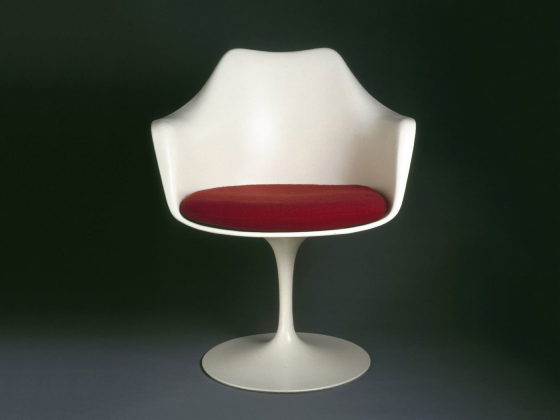
During the Second World War, the British Council of Industrial Design delineated the boundaries of American goods expansion in the market, which ensured the development of national industry and industrial design. At the state level, comprehensive assistance was provided to industrial enterprises. Moreover, the state policy of supporting enterprises contributed to England's conquest of the external market.
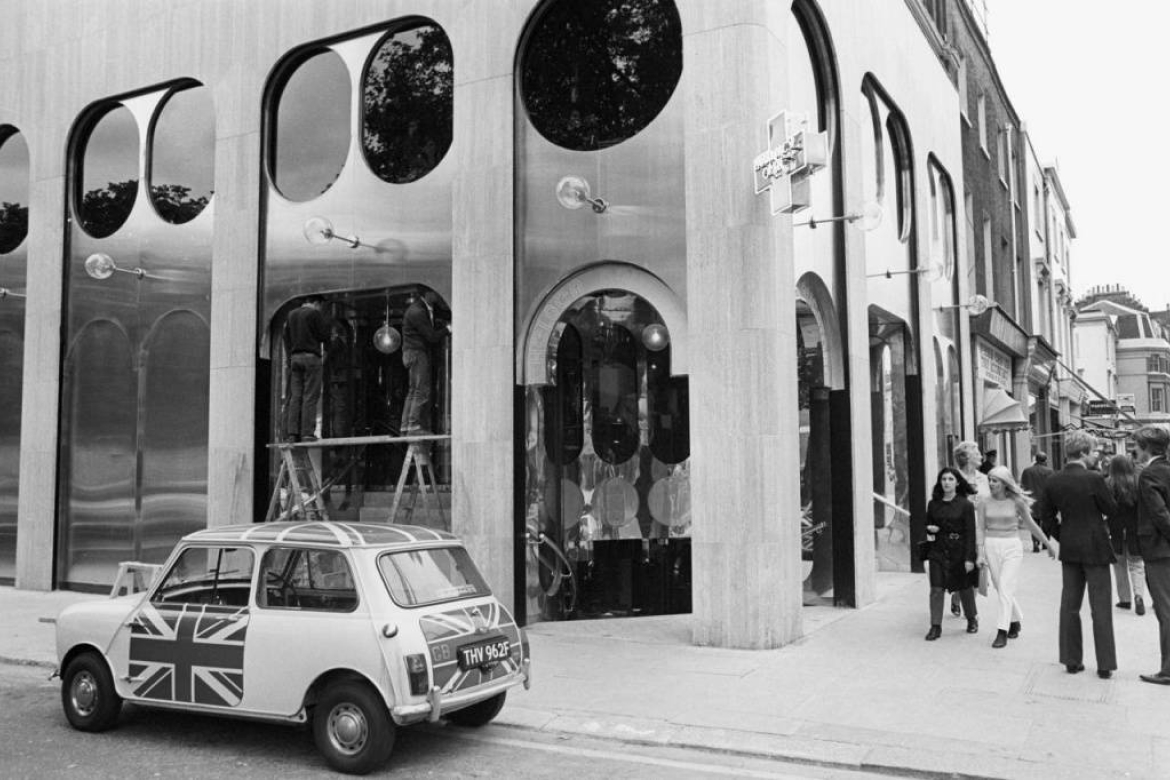
As early as 1946, the British Council organized the exhibition "Britain Can Make It" under the motto "Good Design Means Good Business," and its exhibits were highly successful among visitors. Subsequently, England's exhibition activity developed year by year, thanks to the participation of renowned engineers, designers, and artists. The most authoritative printed publication became "Design," which advocated for a creative approach to design, in contrast to the commercial approach of the United States.
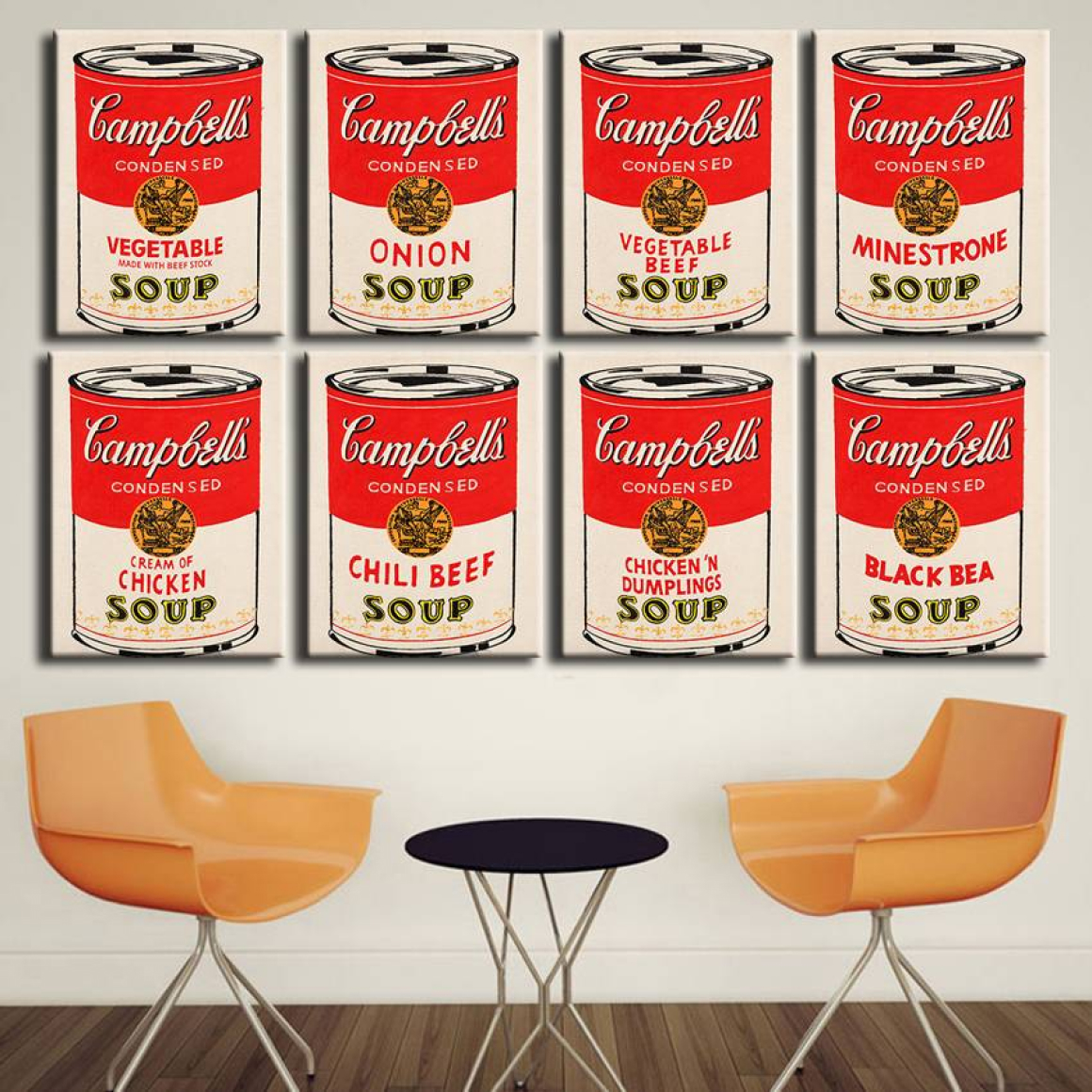
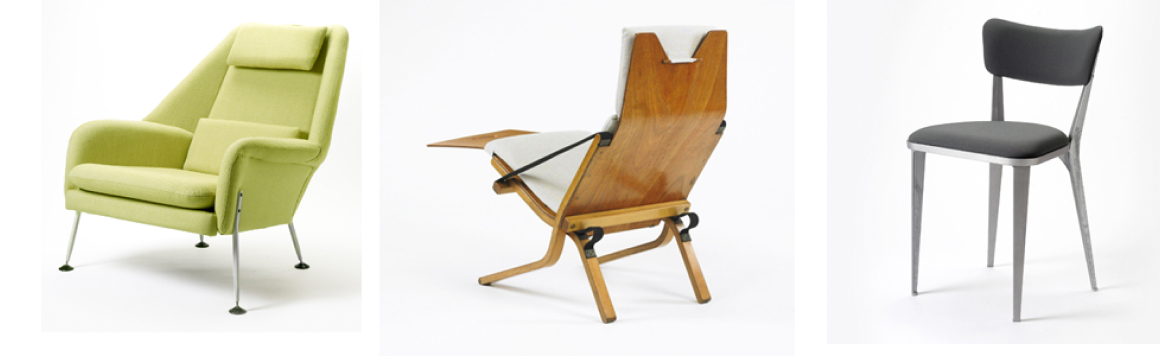
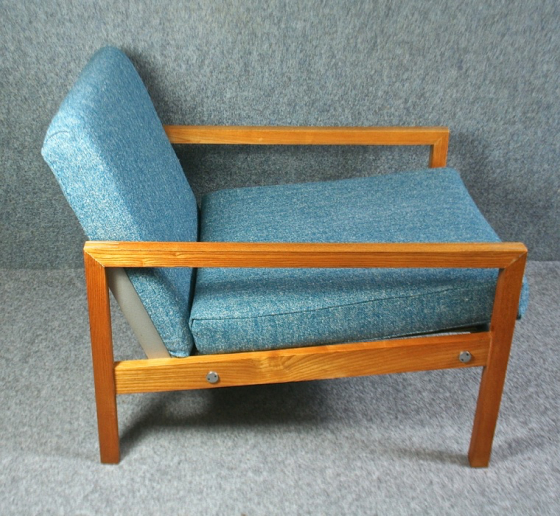
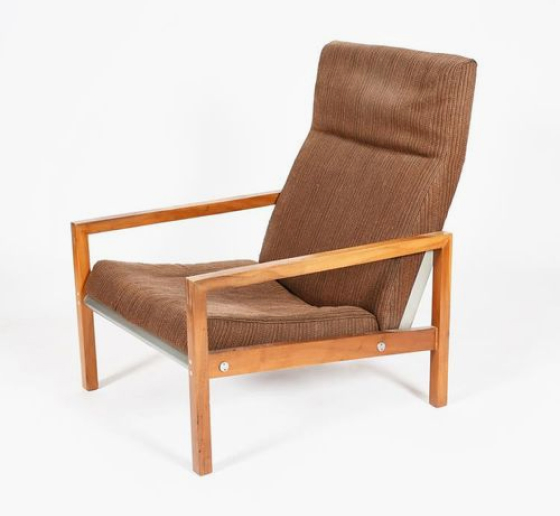
During this time, furniture design was actively developing. The original works of masters such as E. Rais and R. Day became known far beyond England, and their innovative style laid the foundation for the emergence of the English concept of the "Modern Style." Compact household furniture, lightweight and organic like the "Sheppey" type, gained popularity worldwide due to the new materials used in their production. Polypropylene became an innovative material used for furniture production by the early 1960s.
France
After the post-war period, French design couldn't reach the level of its English counterpart, mainly due to several reasons: the absence of state support, lack of close ties between engineering professionals and designers, insufficient material incentives for design achievements, and inadequate focus on product aesthetics. However, French designers were globally renowned and enjoyed popularity abroad. Their works, particularly those related to environmental color design, ideas of harmonizing and unifying color and space, were recognized and successful. Therefore, for successful design development in France, there were talented professionals, foundational principles, and an ideological content of the national design school.
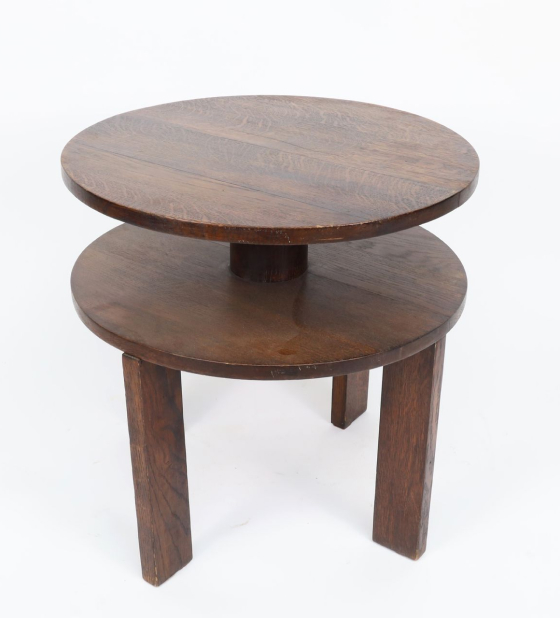

The post-war period in France was marked by the development of industrial design under the banner of Jacques Vieno. In 1951, on the initiative of J. Vieno, the Institute of Design was founded in Paris. Promotion of the best samples of French industry products, marketing research, publication of various illustrated materials and annual thematic reviews, development of methods for improving teaching and training of designers have become traditional. French industrialists increasingly began to involve designers in product design. A number of the largest companies in the country - "Renault", "Peugeot", association "Gas de France" and others. formed their design departments, contributing to the development of French industrial design.
Germany
The collapse of Germany's economy and significant destruction of its industry and cities posed urgent tasks related to the country's reconstruction. However, in less than 20 years, German designers made their mark at regular exhibitions of industrial products and technology. The company "Braun" showcased furniture and electrical appliances, the designs of which were quite innovative for that time.
After the Nazis usurped power, most leading architects emigrated from Germany, spreading the Bauhaus school worldwide. Walter Gropius moved to Britain in 1934 and then to the USA. Laszlo Moholy-Nagy, Lionel Feininger, and Ludwig Mies van der Rohe emigrated to America. Thus, Bauhaus "emigrated" from Germany along with its creators, leaving the main mouthpiece of German architecture in the Third Reich. /p>
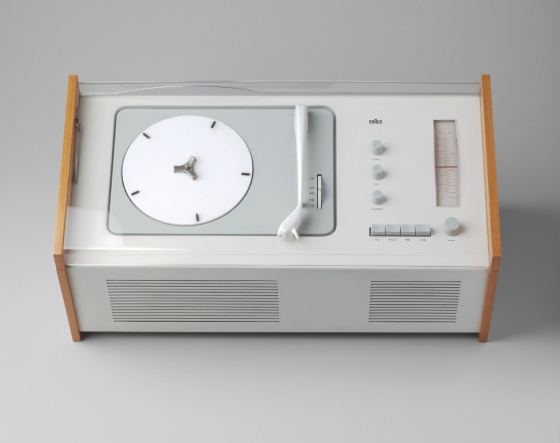
The Ulm School of Design became the flagship of post-war German design. Founded in 1951, its first director was Max Bill, who received his design education at Bauhaus. The second director of the Ulm school was the Argentinean Tomas Maldonado. Students in Ulm spent more than a quarter of their time studying ergonomics, sociology, economics, and psychology so that they could apply a systematic approach to the design process in their professional activities later on. It became a model for other design education centers worldwide, laying the foundations for collaboration between design and large-scale industries working for the mass market. The Ulm School was a new avant-garde school for designers, replacing Bauhaus after World War II. Thanks to the developments of representatives of the Ulm School, the so-called "technological" design emerged, with the creation of the Braun style being a prominent example.

The company "Braun" was founded in 1921 as a small enterprise. However, its second birth began in the 1950s. Braunstyle is the creation of utilitarian technical devices for the kitchen and household, primarily meant to serve people. By the mid-1950s, the leading designer of the company, Fritz Eichler, analyzed the company's products and found that their appearance did not match their essence. Due to the war, Braun focused on the modest consumer. Braun prepared structurally simple, functionally flawless products, so individual that they spoke of "Braun styles" as a noticeable phenomenon in global commercial design. "Braun style" is the absence of any decorative overlays, profiles, color spots, imitation materials; it's a modest color scheme built on subtle shades of gray, combining black and white. It creates a cohesive image with the simplest and minimal means. It's an "economical" style. Braun aligned with market needs, requiring simple, inexpensive goods.

Italy
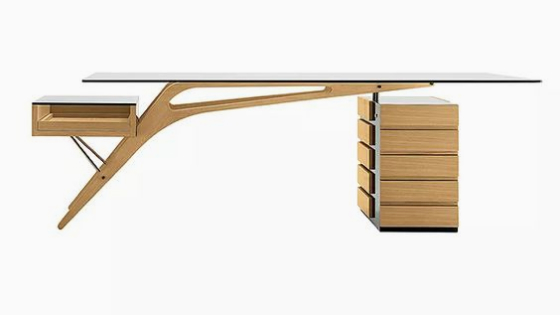
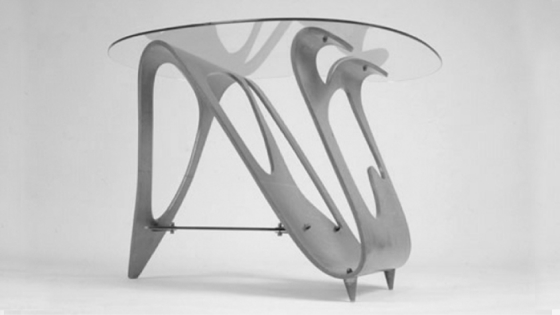
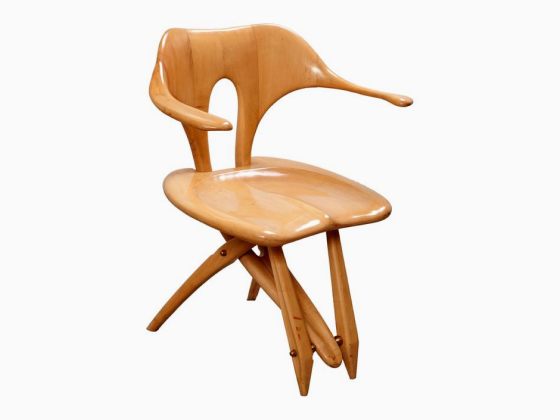
In the first 10-15 post-war years, there was an economic boom characterized by the export of Italian goods to the international market. Design began to play a significant role during this period. Flexibility in economic management, low wages for workers, and American humanitarian aid created favorable conditions for the country's economic upswing. The "Italian style" from the mid-1950s represented an expansion of lifestyle rather than just goods. Interest in Italian furniture and fashion grew worldwide. Art and design in Italy emerged through improvisation within the framework of old traditions of culture, art, and economics, which were not isolated from each other in Italy's small family businesses. There was no specific design education in pre-war and post-war Italy; most Italian designers were architects by training. Notable examples of the synthesis of arts were the works of Carlo Mollino. With his expressively wave-like furniture made of bent plywood, he became an extravagant representative of organic style in Italy. Italian designers challenged the American, commerce-oriented style. Aestheticism opposed materialism, and the designer's desires were prioritized over consumer preferences.
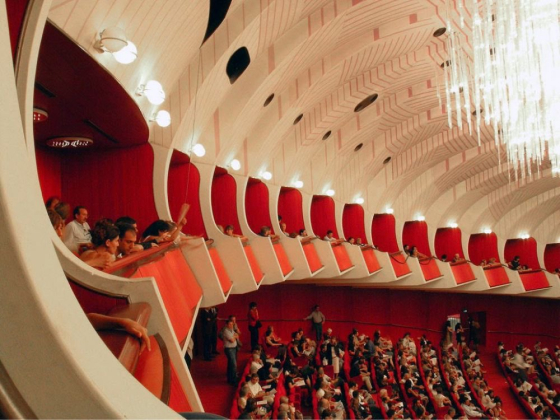
The concept of corporate style acquired broad cultural significance in Italy. An example was the policy of the Olivetti company, which involved promising young designers and architects such as Ettore Sottsass, Marco Zanuso, and Mario Bellini. Sottsass played a crucial role in the rapid economic growth of Olivetti. The company's leaders understood and appreciated the role of design earlier than others. In 1927, artists Giovanni Pintori and Aleksandr Shchavinsky, along with poet Leonardo Sinisgalli, were invited to the factory, with Sinisgalli leading the advertising and publications department. This formed one of the first design groups in Europe. Olivetti paid special attention to the development of a distinct "corporate identity" (corporate style), which encompassed product design, architecture, exhibition design, advertising, and graphics. Olivetti gained particular popularity with the arrival of designer Marcello Nizzoli and the release of sensational models such as the "Lexikon-80" and "Lettera-22" typewriters at the end of the 1940s. This era also gave rise to the term "Olivetti Style."
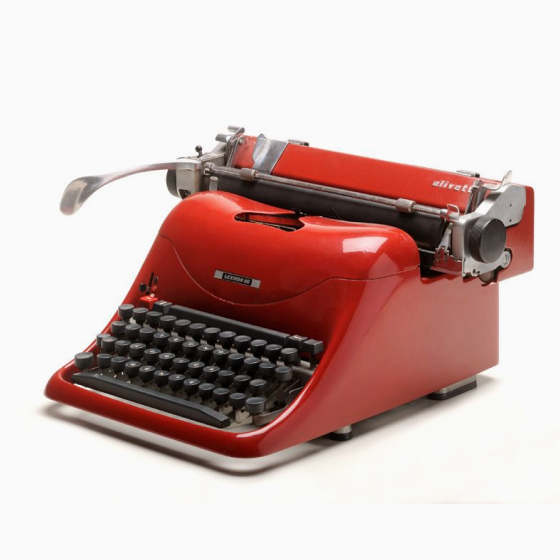
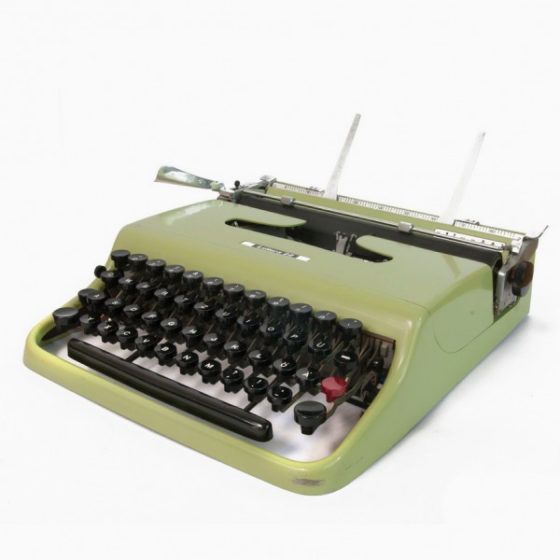
The "Olivetti Style," unlike, for example, the design of AEG by Peter Behrens, aimed not so much at formal unity of products as at making any product inherently beautiful: everything should be attractive, high-ranking, including even the business correspondence emanating from the company.
USA
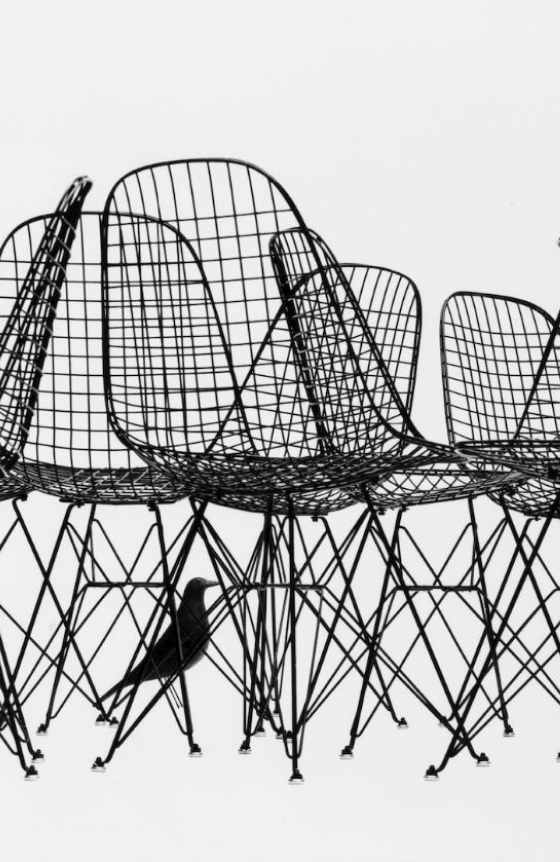
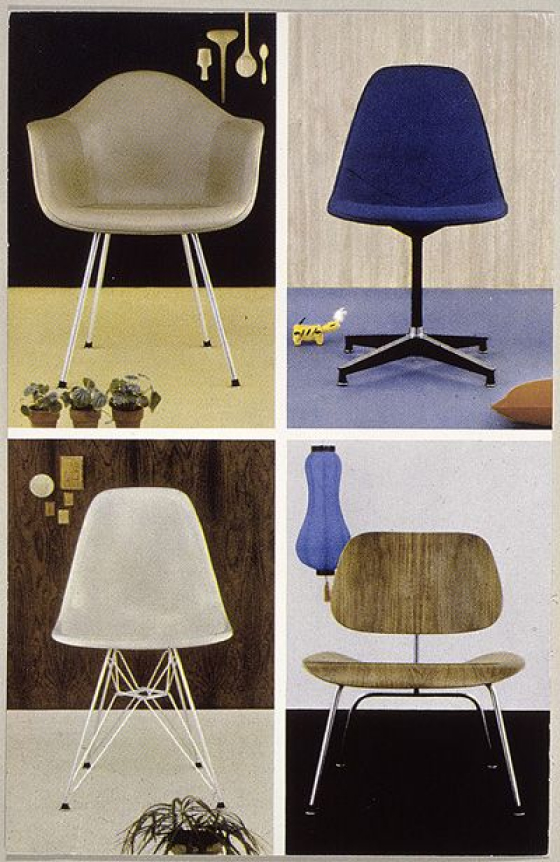
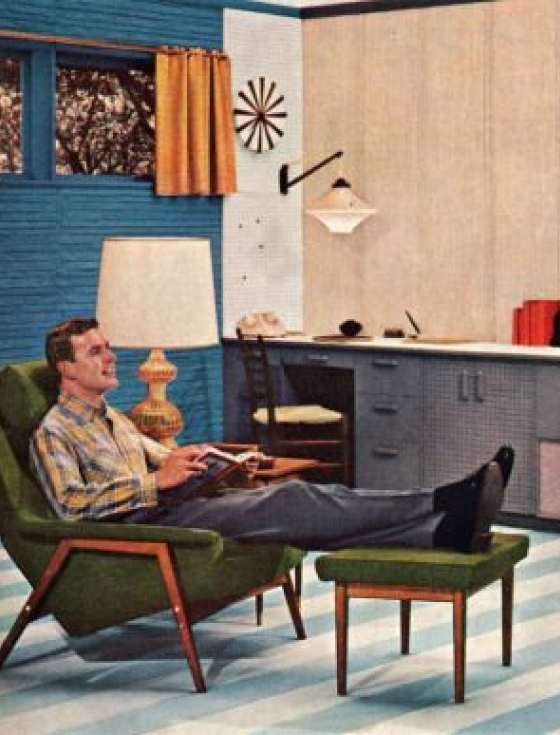
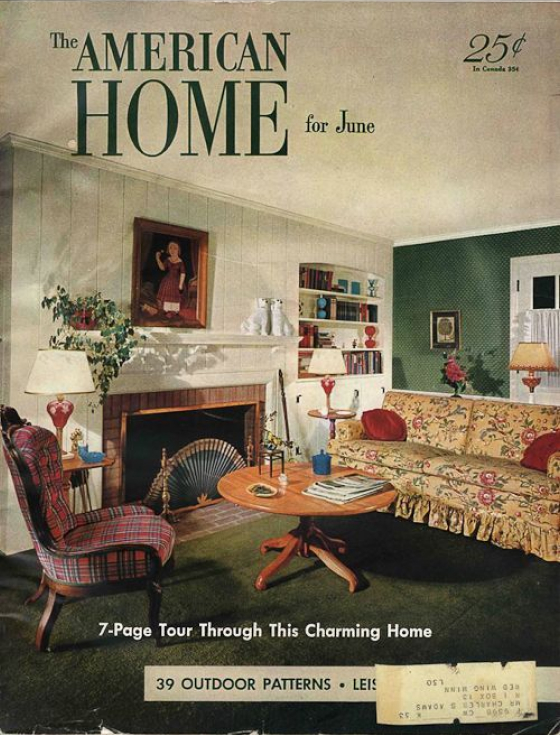
In America, the late 1940s were the time of nylon stockings, dishwashers, and alarm clocks. Styling was introduced in the USA in the 1950s not only to make a product more attractive but also as a marketing strategy for the American industry to significantly accelerate the cyclical change in the product's appearance. The widespread use of plastic changed the appearance of many goods.
In the 1950s, American design created a "consumer production technique," instilling in people the desire to have an image they wanted to match. To assist design, a new science studying the consumer—marketing—was established.
Ukrainian post-war design: which way will the vector lean
Throughout the two years since the beginning of the full-scale invasion, Ukrainian designers have not ceased their work on creating comfortable and modern designs. The forefront has been the component of national self-awareness, which has turned society's attention to national motifs and the rich cultural heritage of Ukraine. The primary task became to create a functional and practical product, drawing on the centuries-old experience of national traditions. Ukrainian wartime design boldly makes its mark at international exhibitions and in the world's finest galleries, instilling in us the confidence that post-war design will compel the global community to applaud Ukrainian talent. We believe that post-war Ukrainian design will be a unique synthesis of the traditional and the new, paving the way for the expansion of the Ukrainian lifestyle onto the global market and becoming the epitome of quality and aesthetics on a global scale.
Author: Olena Belenka
Materials used in the article:
vio-design.kiev.ua
ppt-online.org
referatss.com.ua
pragmatika.media
veryimportantlot.com
tehne.com
