


Boldizar Senteský, Objects with Narratives, and Gareth Neal - Faces of Contemporary Product and Gallery Design
Boldizar Senteský: Art from Mirrors and Concrete
This year, the star and discovery of the London PAD was Boldizar Senteský, who managed to impress not only design professionals but also ordinary viewers with his unconventional works. Young, vibrant, and charismatic, Boldizar offers his bold perspective on product design.

Boldizar Senteský was born and raised in Budapest, where he founded his art studio several years ago. He started studying drawing in high school, attended numerous university courses, and enrolled in the design faculty. However, during his studies, doubts crept in about whether designing mass-produced utility items was a field where he could fully express his talent. It was crucial for him to convey emotions and create an atmosphere through his work, which is more characteristic of fine arts. This is how his vision for his future in collectible design was born – a niche where he could perfectly express the dichotomy of art and design.
Boldizar Senteský's professional journey unfolded in the creative field, but he assumed various roles as a designer. Managing a fashion brand, working as an art director and designer in large international companies. Today, he is focused on building his own brand, leveraging his experience in various fields. Collectible design is a wonderful hybrid as it allows the artist more freedom for development. However, he is still uncertain whether he will change the direction of his path in the future.

Boldizar creates his unique collectible design pieces in limited series, using fragments of the urban landscape. He celebrates the simultaneous existence of the past and the future, transience and renewal, decay and flourishing. He allows materials to shape themselves, overcoming the contrast between intentional and unintentional, traditional and progressive, craftsmanship, and industrial solutions.
Boldizar began experimenting with mirrored surfaces back in university, where he explored human perception. The way we perceive ourselves and our surroundings inspired his first Mirror collection, resulting in his graduation project with four fading Mirror artworks using an ancient technique for making silver mirrors. Since then, he has been studying and shaping this technique according to his vision. Each mirror is a handmade creation, placing 'mirror paintings' somewhere between art and functional design."
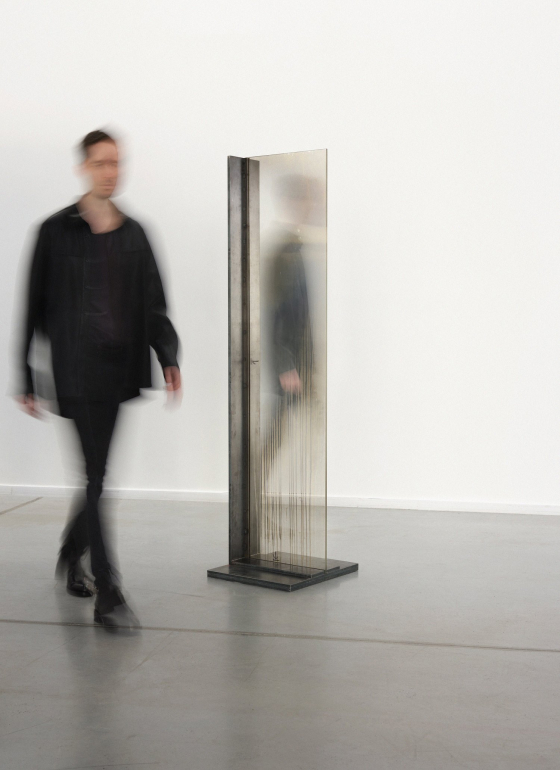
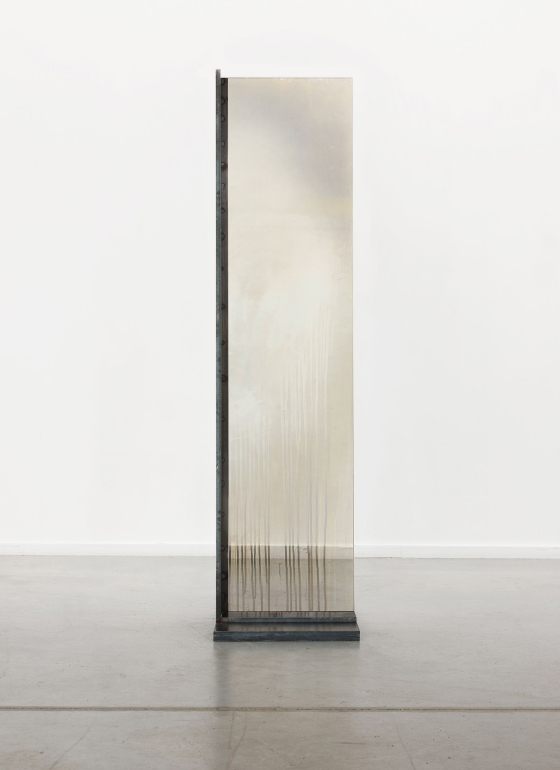
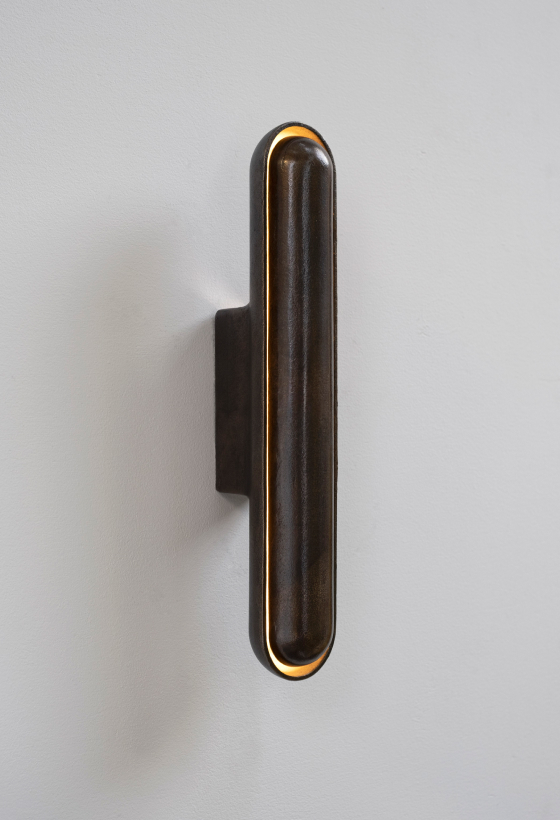
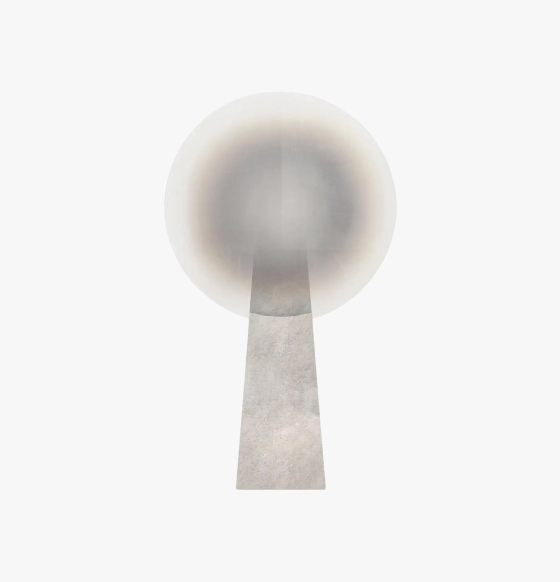
Boldizar describes his works as follows: "I create functional works of art, mostly guided by reflections and unique mirror reflection techniques." While he considers all his projects important, he highlights the two latest lighting collections—Hollow and Aether—developed exclusively for Studiotwentyseven. For the Aether collection, the artist aimed to create sculptures that "illuminate themselves." It combines light with antique forms and noble materials. Inspired by ancient idols and obelisks, the Hollow collection uses positive and negative forms to shape light. Precise sculptural clean forms emphasize the natural quality and beauty of stone and noble cast metal materials.
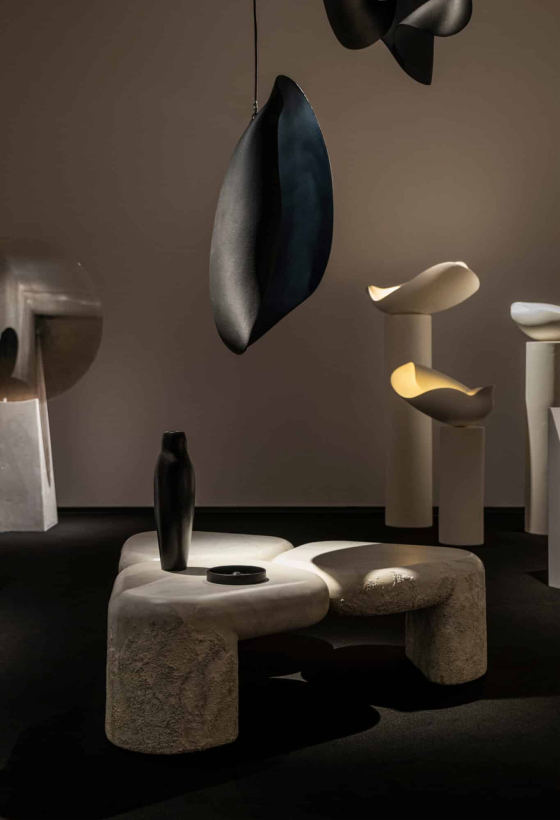
The goal of Senteský's works is not to solve specific problems. They offer new perspectives on things, attitudes toward the environment, or important objects around us. He explores the duality of presence and absence, weight and balance. The author's works are typically based on experimentation, and he has no plans to deviate from this principle.
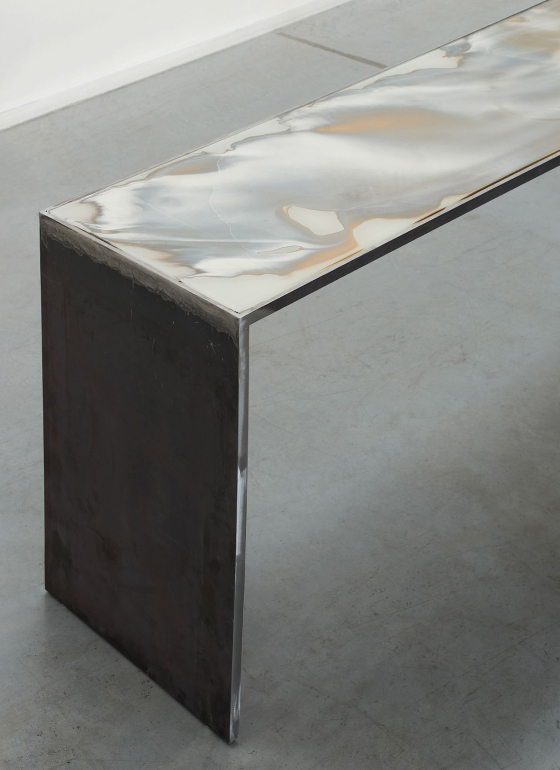
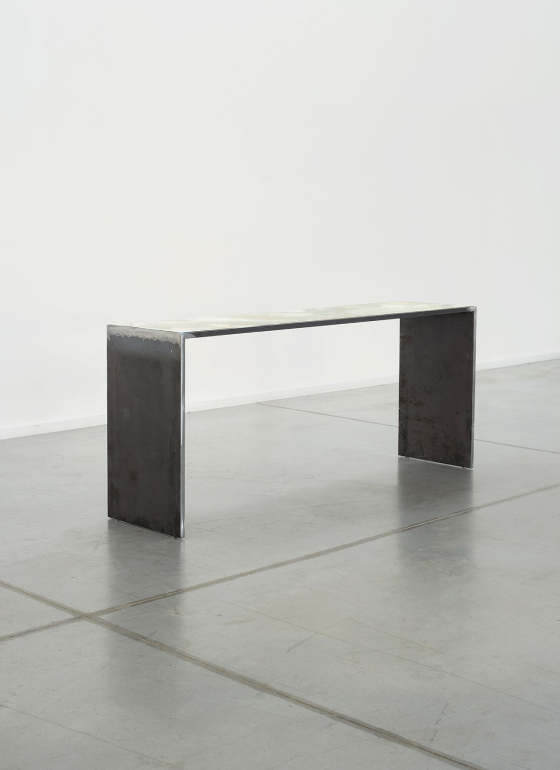
Senteský's works represent a symbiosis of technology with craftsmanship, the simultaneous coexistence of industrial design and the personal, the natural and the artificial. Mirror reflection is the primary means to understand the world and oneself. It's a reimagining of reality, poetry in silver and metal, offering a new perspective on the familiar.

Objects with Narratives
The London PAD 2023 introduced another brilliant player in the field of object design to the wider audience - the Belgian gallery Objects with Narratives. Emerging and immediately shining, Objects with Narratives claimed the Booth Prize for their exhibition titled (Un-)Controlled. What do we know about the talented Belgians who create masterpieces under their brand, and why does object design border on architecture?
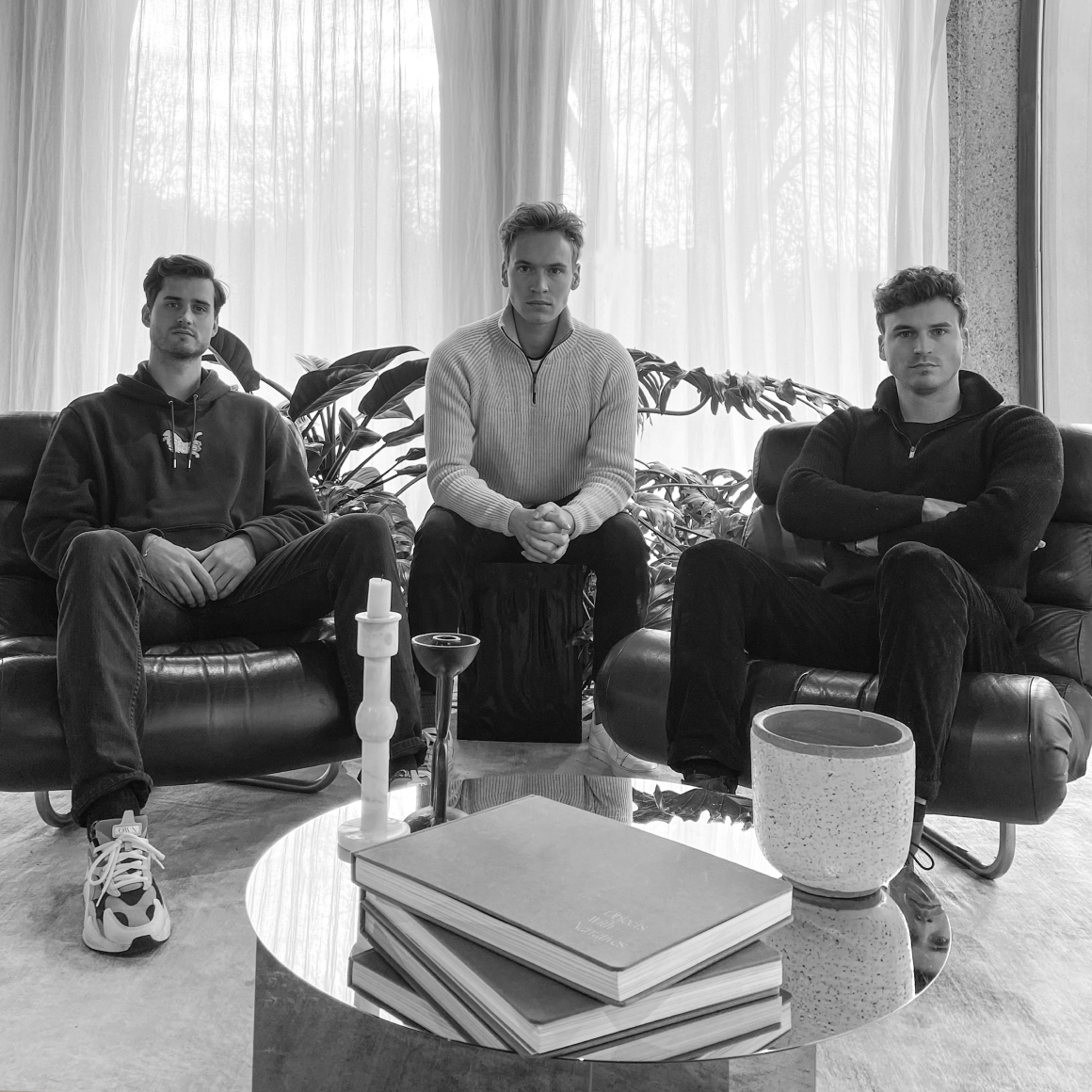
Objects with Narratives was founded by the brothers Nik and Robbe Vandeweghe and Oscar Eriatmaz and is currently based in Geneva, Brussels, and Bruges. The Vandeweghe brothers are architects by education, with several years of professional experience in Switzerland, the Netherlands, and Belgium. Oscar Eriatmaz has directed his career as an artist in Belgium.
Collectible design is a niche where each item, created with meticulous craftsmanship in limited quantities, receives great attention to detail, materials, and form. Each piece is unique and tells its own story, resonating with its audience. Objects with Narratives showcase works by many young designers created under one label. The gallery provides sales, marketing, and production support, allowing designers to focus on the essence - art.
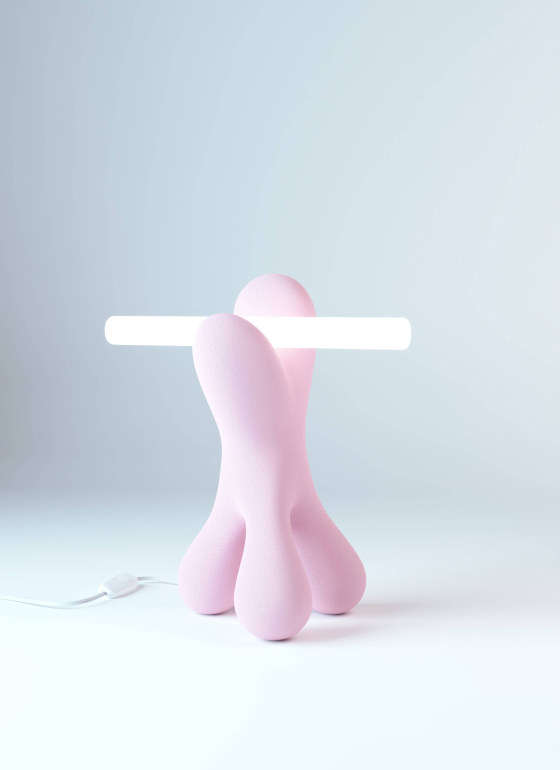
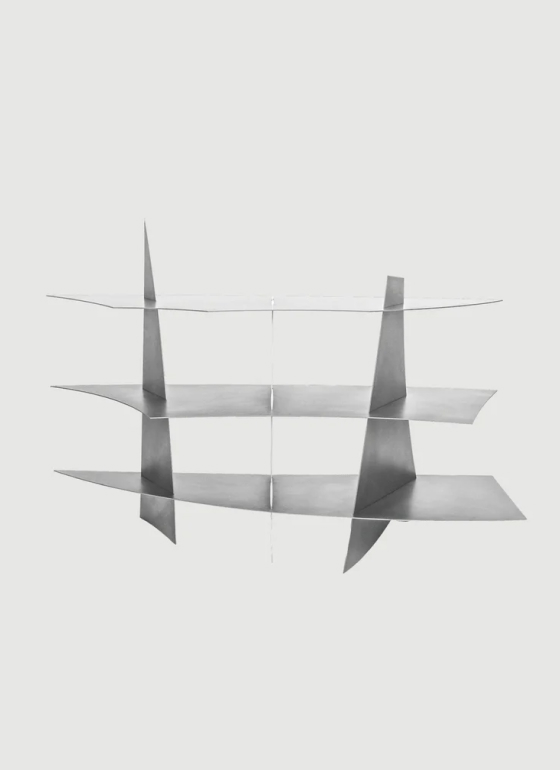
The founders of Objects with Narratives refer to themselves as curators who organize the intricate process of bringing a design product to life: from a raw idea to its delivery to the customer. However, Nik and Rob also create their own works alongside developing the design incubator. For them, the object of creativity is not just an environment; it contains a specific story. The goal of each creation is to provoke viewers to look beyond design and see their connection to the artwork. To see more than the eye can see. Is it a comfortable sofa? Or a woman's body? Or its embryo? The works inspire discussion, evoke outrage and astonishment, but never leave anyone indifferent.
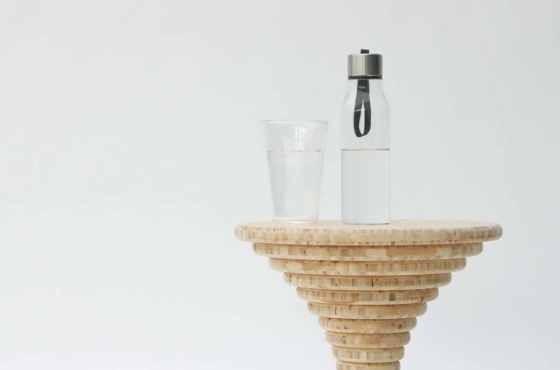
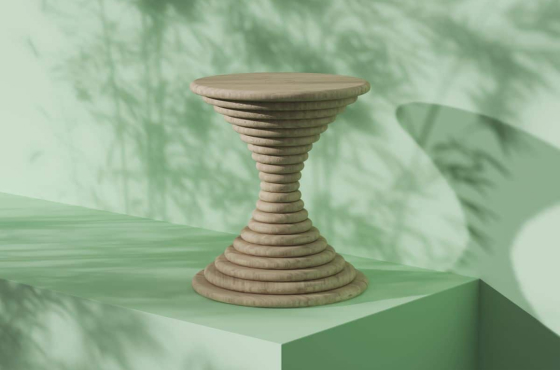
In their opinion, the world of architecture and design is closely intertwined because architects also create furniture and explore how an object interacts with space. The chair from Objects with Narratives, 'single-curve chair,' made of tempered steel, became a finalist for the Belgian Henri Van de Velde Award. It is a simple physicalization of a curve that creates a structural essence. A two-dimensional line becomes a spatial object, making complex three-dimensional curves. 'Single-curve chair' is not just a story about lines. It is the materialization from steel that changes its color during tempering, telling us about the material itself.
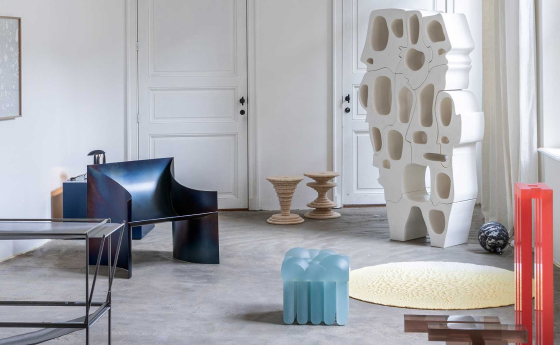
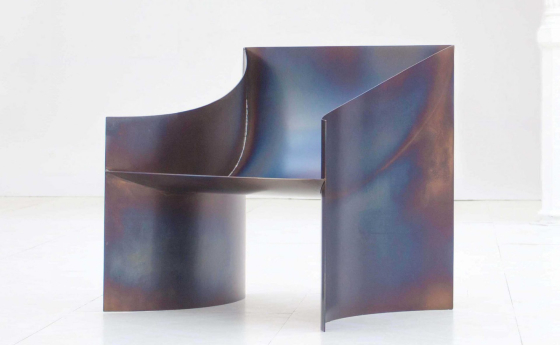
The creation of Objects with Narratives originated from the designers' exploration of the design world during their work as architects. Throughout their careers, they delved into the realm of design and realized that few beautiful works had authentic narratives. This led to the idea of crafting design objects based on stories as a means of self-expression. Simultaneously, the founders aimed to establish a creative space where other designers working in a similar manner could actualize their ideas.


Objects with Narratives is neither a niche gallery nor a commercial store. They have created their own hybrid genre that focuses on the value and history of the works themselves, rather than the name or brand of the designer. It serves as a creative space for young designers, allowing them to realize their potential through the creation of unique interior objects.

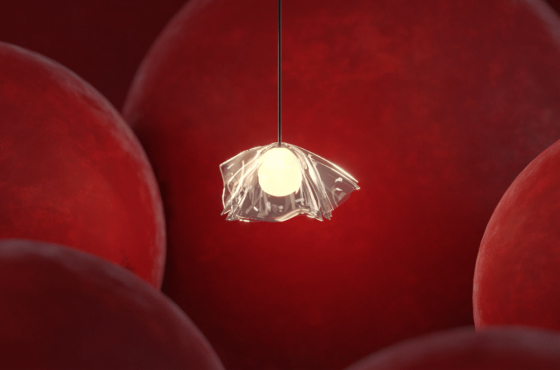
Gareth Neal: from manual craftsmanship to 3D printing
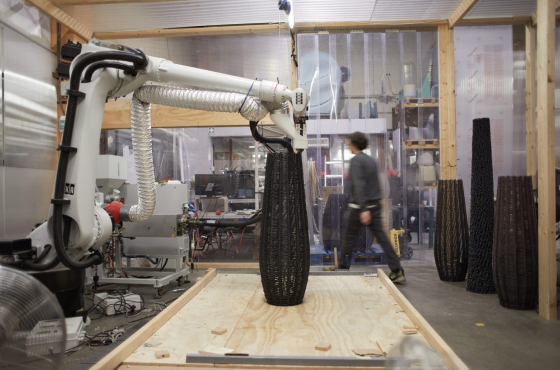
Gareth Neal is a progressive design and craft studio located in East London. The studio's work seamlessly combines traditional and digital techniques to create unique products. While high craftsmanship and manufacturing quality are fundamental values for Gareth Neal's studio, the designers adopt a broader approach to the object. For them, the object is inseparable from the impact it creates. Gareth Neal's work is the result of collaboration with some of the finest craftsmen in the UK, blending artisanal handcrafting with modern engineering. Everything produced by the studio embodies ecological principles, thanks to a carefully considered selection of materials that blend historical and contemporary aesthetics.
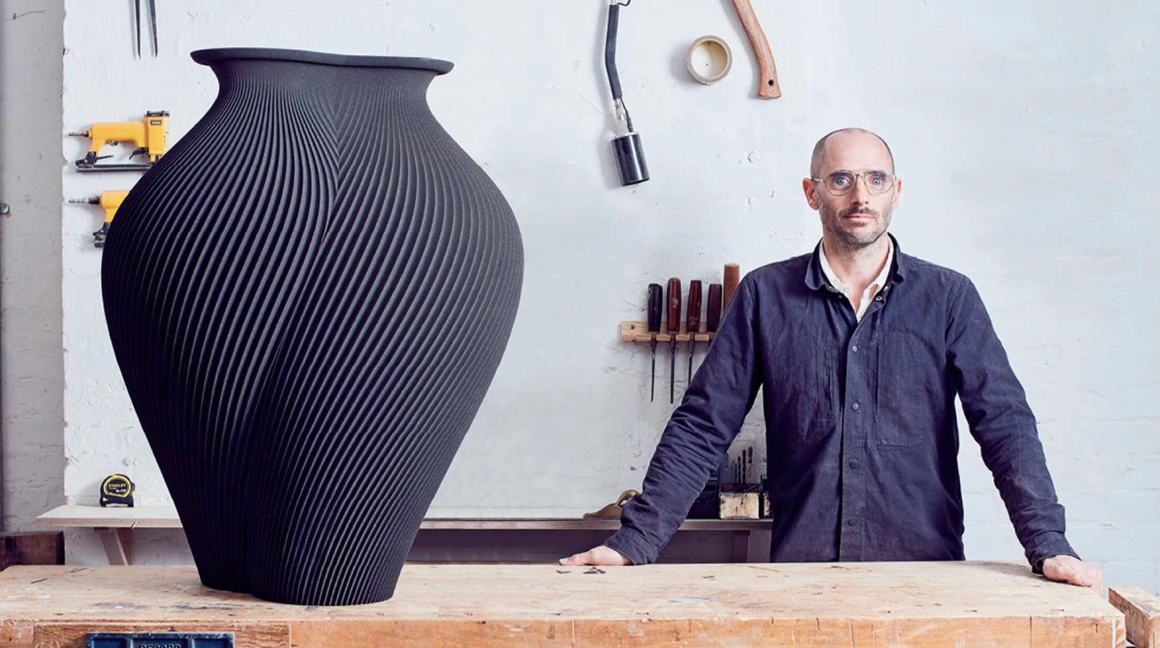
Gareth Neal is a furniture designer from East London who, through ingenuity and curiosity, has played a significant role in shaping a new era in contemporary British craftsmanship. Gareth passionately honors people, processes, and place, advocating for the use of local materials and traditional techniques. The Gareth studio produces a variety of furniture items, including seating, cabinets, and sculptural works of art, with a focus on ecological sustainability and respect for the environment.
Born in Shepperton, England, in 1974, Gareth Neal studied at Buckinghamshire University, earning a Bachelor's degree in Furniture Design and Craftsmanship in 1996. After completing his studies, Neal worked in the studios of furniture makers Fred Baier and Rupert Williamson. In 2001, he moved to London and opened his studio in Hackney Wick. In 2006, Neal relocated his studio to Dalston.
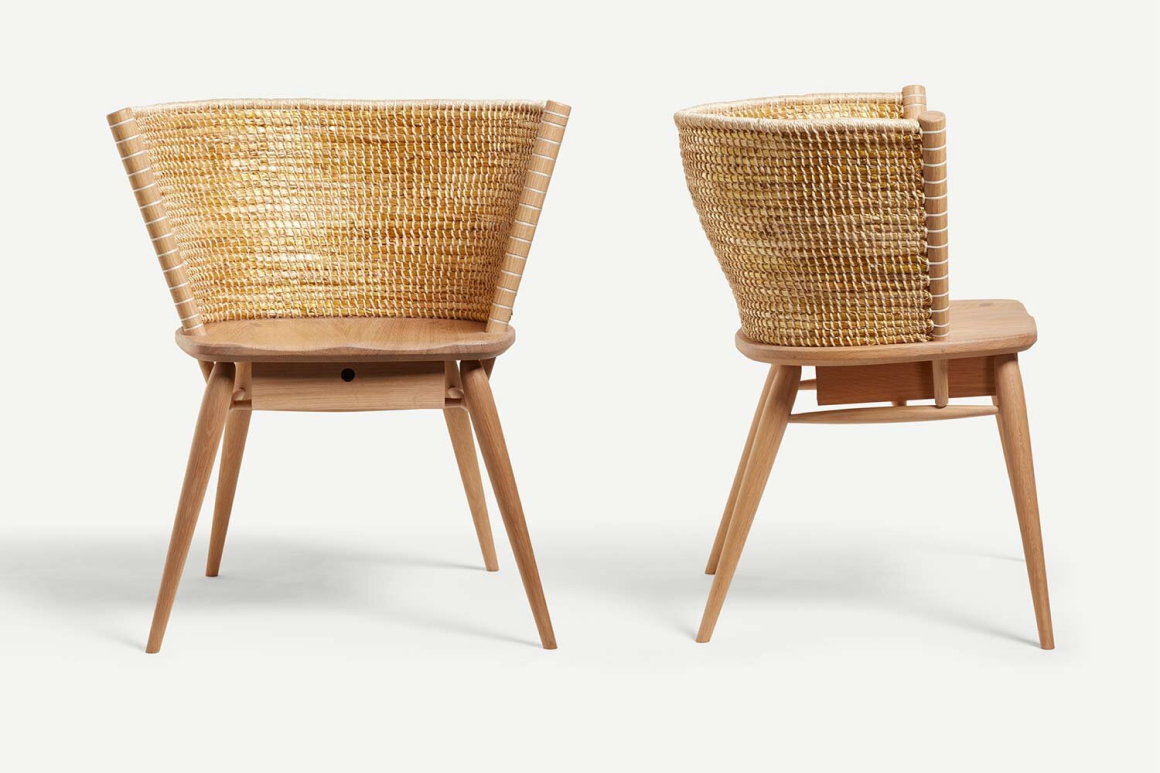
Inspired by the Orkney chair, a traditional piece from northeastern Scotland, Gareth Neal created the Brodgar chair, an exploration of materiality and unique processes in the British Isles. Gareth aims to use contemporary design to enhance traditional craftsmanship skills and finds beauty in the simplicity of details. These authentic skills and forms of English heritage are evident in all aspects of his work. However, the reserved Brit considers his mission to be much more than just designing and crafting furniture.
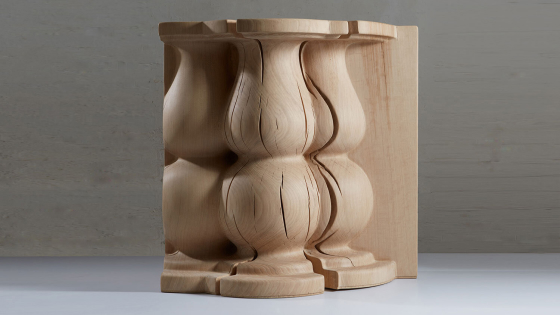
"I try to preserve the local character," says Gareth Neal, advocating for the use of local materials and traditional processes while simultaneously exploring new ones. He also makes an effort to respect the environment. All of this, combined with his fascination with historical techniques and aesthetics, roots his design in a specific context with rich narratives and contextual reference points. Good design emerges from a deep understanding of the environment and the ability to reinterpret it for a modern audience.
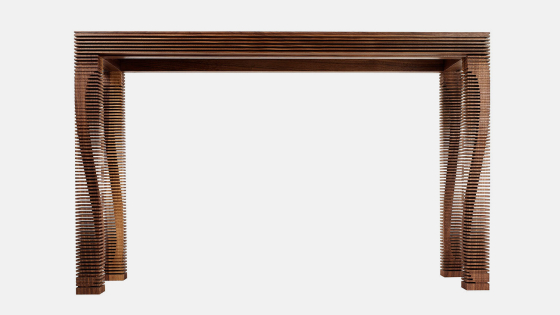
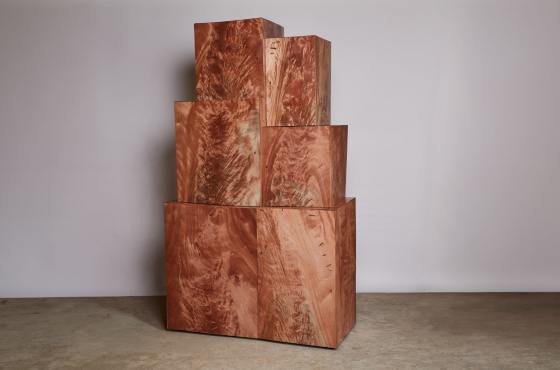
In his private life, Gareth Neal enjoys browsing through car cover shops or thrift stores, which has significantly influenced his desire to create items with longevity, resistance to trends, and a strong environmental consciousness. Gareth Neal resides in East End London, which was once the center of veneer manufacturing, "almost lost in London," as he puts it. With his "Urban Picnic" project, he pays homage to the woodworking roots of his area and objects that speak of the forest.
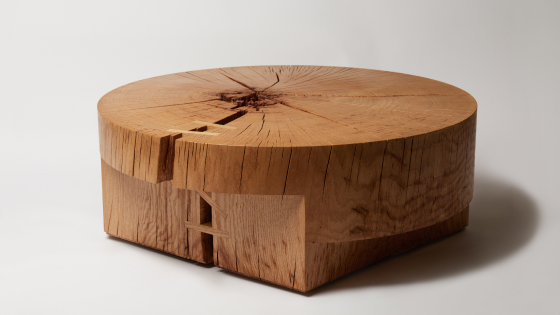
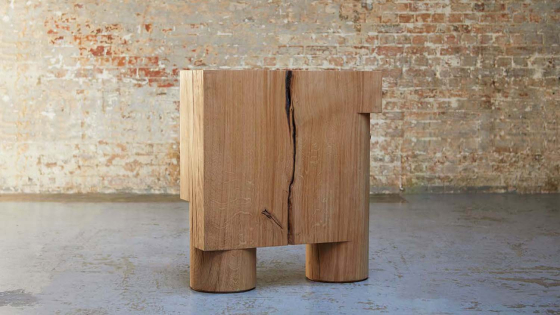
Neal's works are showcased at international exhibitions and have been featured in institutions such as the Museum of Modern Art in New York, the Saatchi Gallery in London, and the Victoria and Albert Museum in London. He consistently participates in the London Design Festival and the Milan Furniture Fair. In 2010, Neal received the prestigious Jerwood Contemporary Makers award.
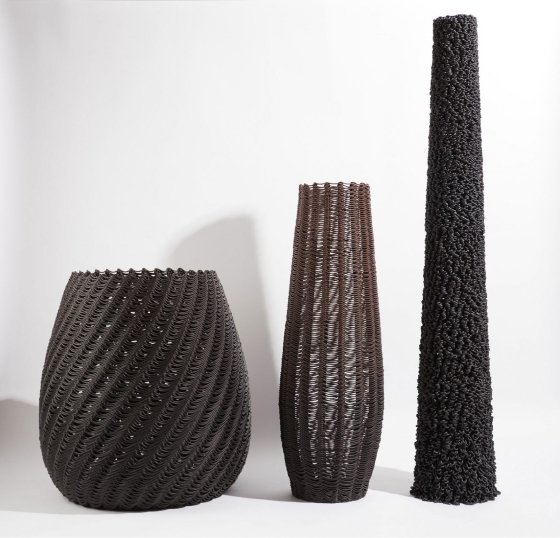
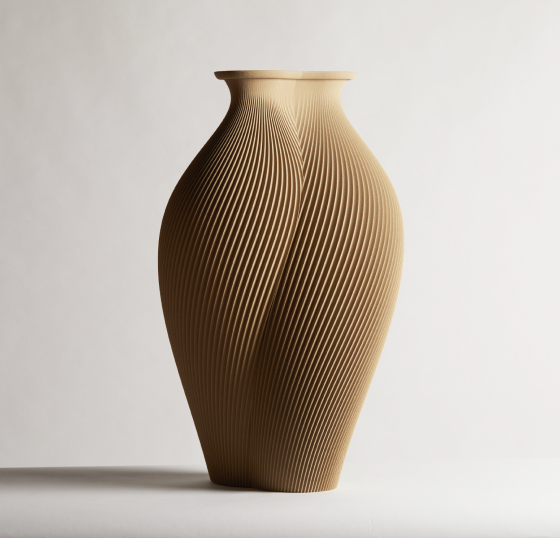
Gareth Neal has gained significant international acclaim for his innovative approach to wood. His work involves a continuous exploration of the material's qualities and bringing to life a blend of time-tested processes and cutting-edge digital manufacturing technologies.
Author: Olena Bielienka
Materials used in the article:
surfacemag.com
studiotwentyseven.com
boonparis.com
collectible.design
propertylistings.ft.com
hypeandhyper.com
objectswithnarratives.com
collectible.design
garethneal.co.uk
casefurniture.com
dezeen.com
tashkeel.org/artists
grantondesign.com
londoncraftweek.com
toddmerrillstudio.com/designer
conranshop.co.uk
