


Venice Architecture Biennale 2025: The Intellectual Evolution of Space
In May 2025, we had the opportunity to visit the 19th International Architecture Biennale in Venice, an annual event that sets the intellectual agenda in the world of architecture. This year's theme is 'Intelligens'. Natural. Artificial. The collective, proposed by curator and MIT professor Carlo Ratti, impressed us with its scale and its bold attempt to understand how natural, artificial and collective intelligence can and should interact to create the spaces of tomorrow.
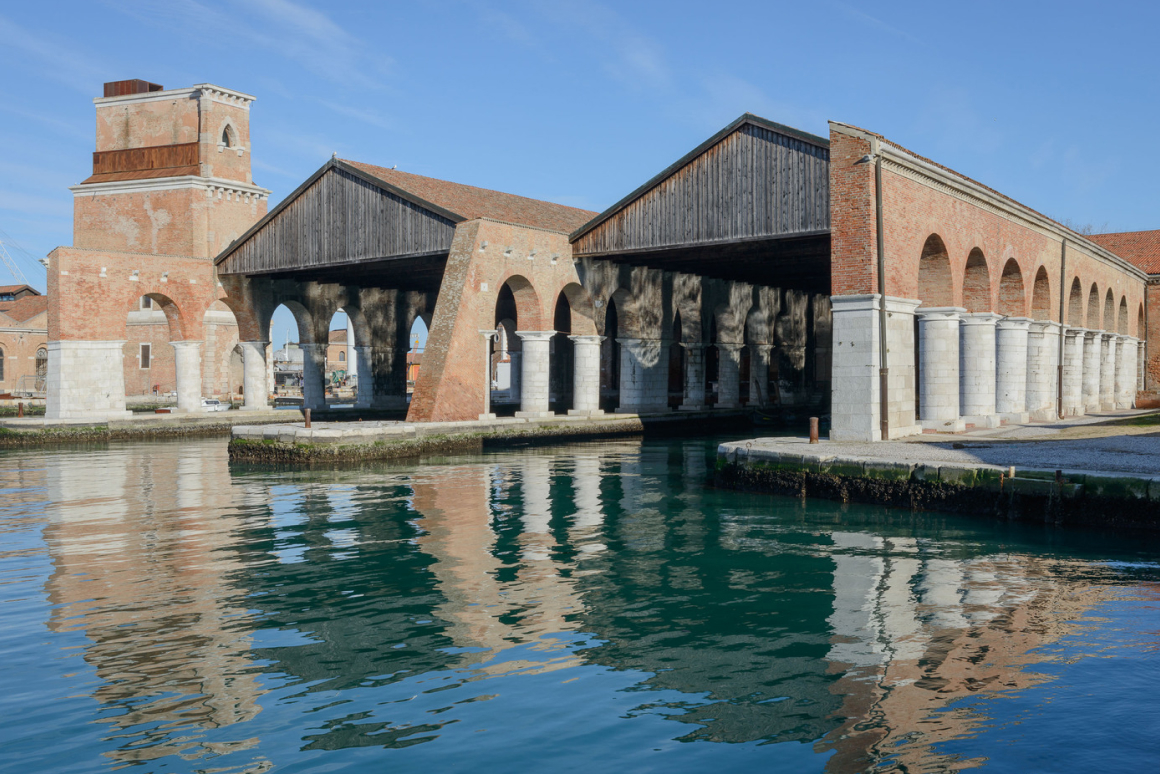
Our expectations were exceeded — it was an architectural journey where each pavilion made us pause, reflect, and ask ourselves: what will tomorrow's spaces look like?
The main trends of the 2025 Biennale:
Sustainability and environmental awareness.
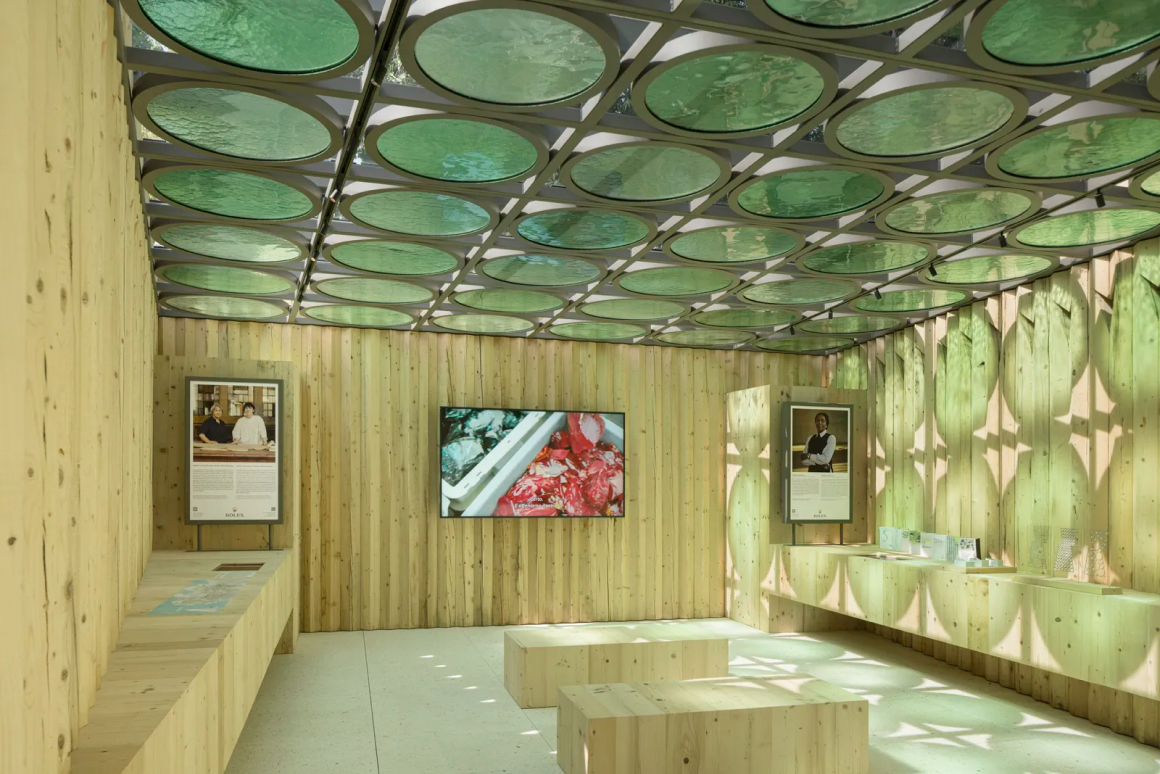
Many of the pavilions focus on the responsible use of resources. The Rolex pavilion, for example, designed by Mariam Issoufou, uses recycled materials such as wood and glass to demonstrate the elegance of a sustainable approach.
Being, not seeming. Our audience is increasingly drawn to classic values such as substance and durability, reflecting a cultural shift toward stability, minimalism, and a focus on carefully crafted, reliable things that can last for years. "Quiet luxury" emphasizes thoughtful simplicity and natural aesthetics.
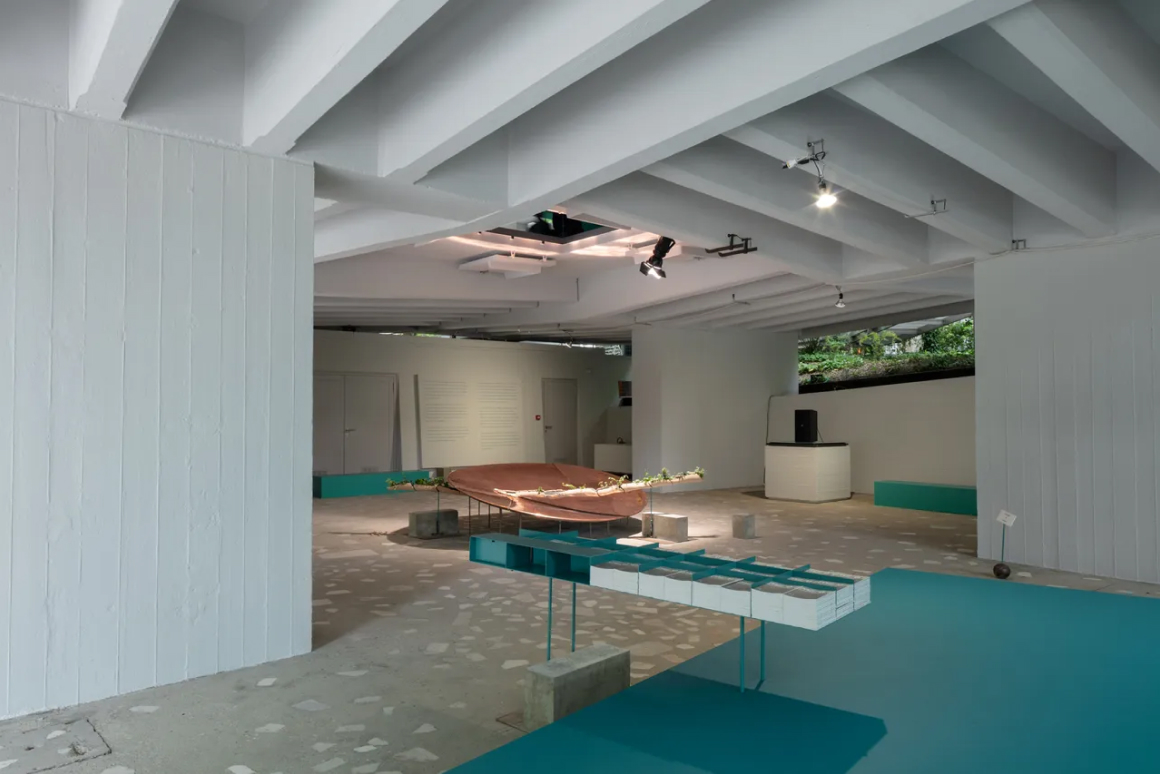
Integration of technology and artificial intelligence.
The Japanese pavilion experiments with generative AI and the concept of 'ma' (the space between things), creating a meditative interaction between humans and algorithms.
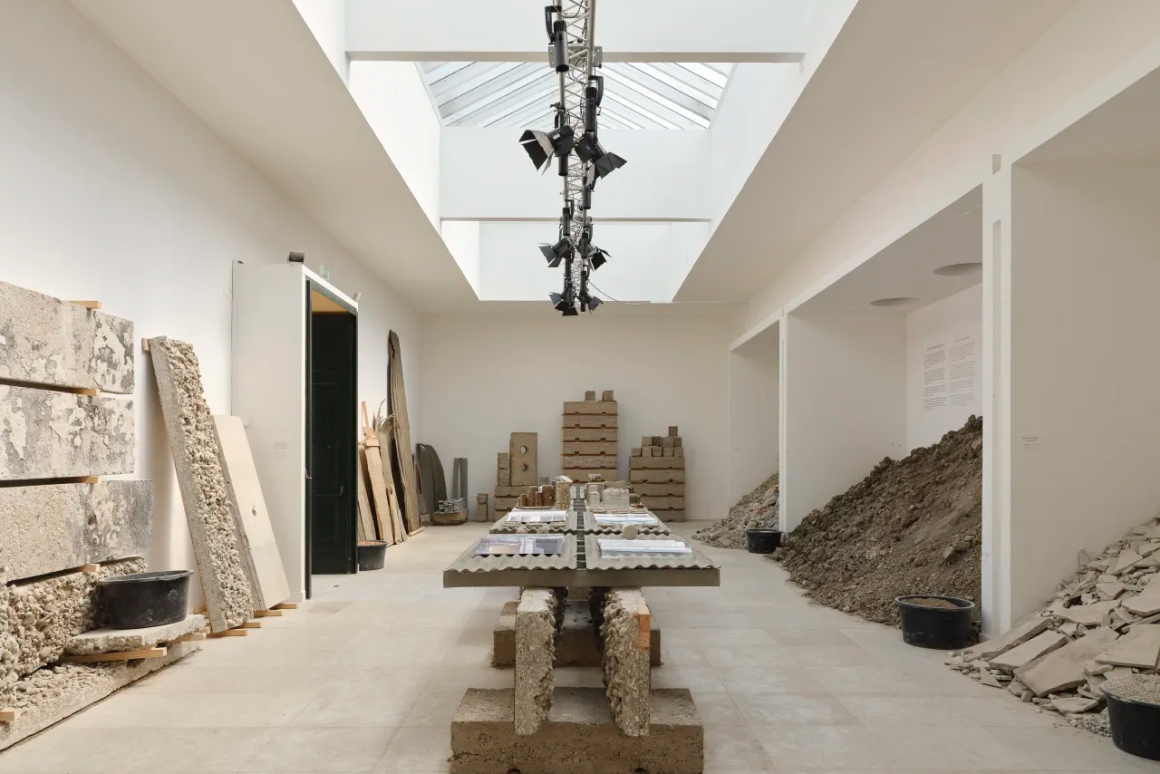
Rethinking materials and construction practices.
The Danish pavilion showed how bio-binders can be used to reuse materials. These are not futuristic concepts, but real solutions for today.
Natural wood: a material that connects the past, present, and future.
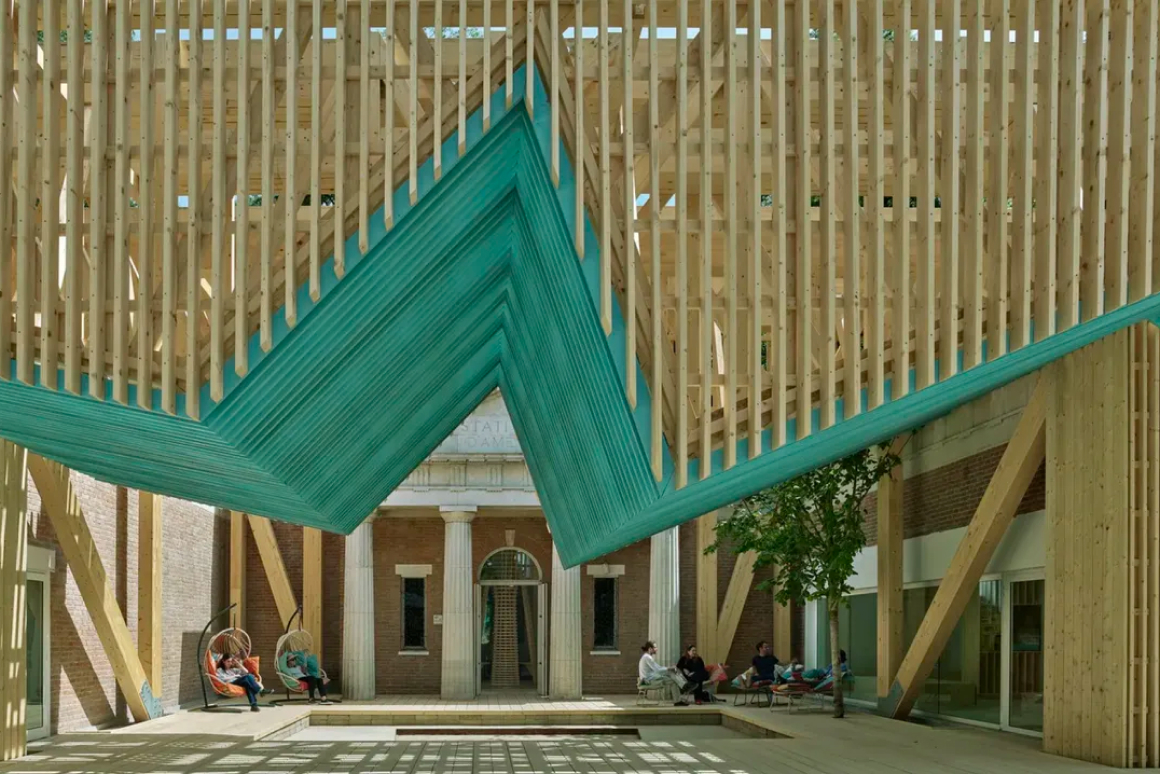
Amidst all the technological breakthroughs, experiments, and manifestos, we were particularly excited to see projects that incorporated natural wood. It was present in many pavilions — sometimes as the foundation of the space, sometimes as a quiet structure evoking stability, warmth, and depth.
For the YourFoRest team, this was deeply personal. After all, wood is our core material. We work with it every day, and seeing how architects around the world use it — no matter their technological background — was inspiring and affirming: wood is not losing relevance; it is becoming a symbol of a responsible and sensitive approach to architecture.
Wood:
- Remembers the past — crafts, rituals, the structure of the home.
- Embraces the present — adapts to new forms, resonates in minimalism and modernism.
- Cares for the future — biodegradable, ecological, universal.
We believe that materials like wood can serve as bridges between eras, materializing a new architectural ethic — the ethic of care.
The most interesting national pavilions according to the YourFoRest team:
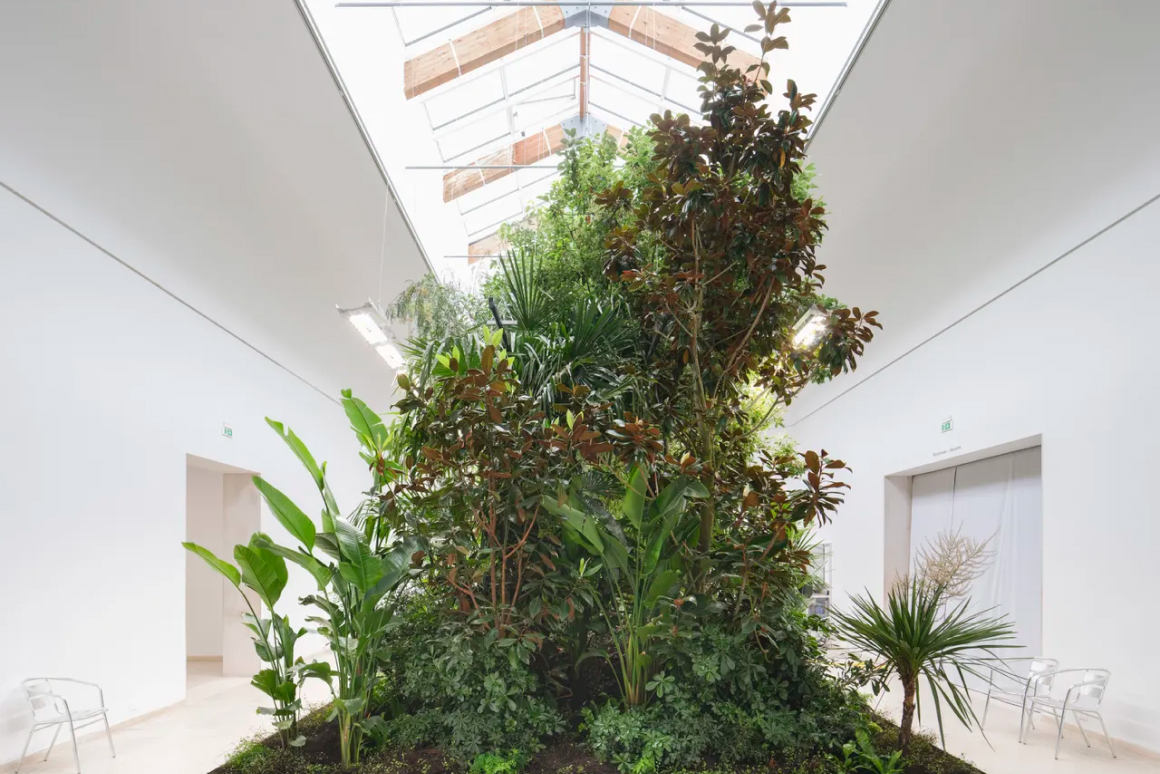
Belgium — Building Biospheres
Architecture as a living organism. Plants integrated into the pavilion’s structure create a microclimate — a breathing space.
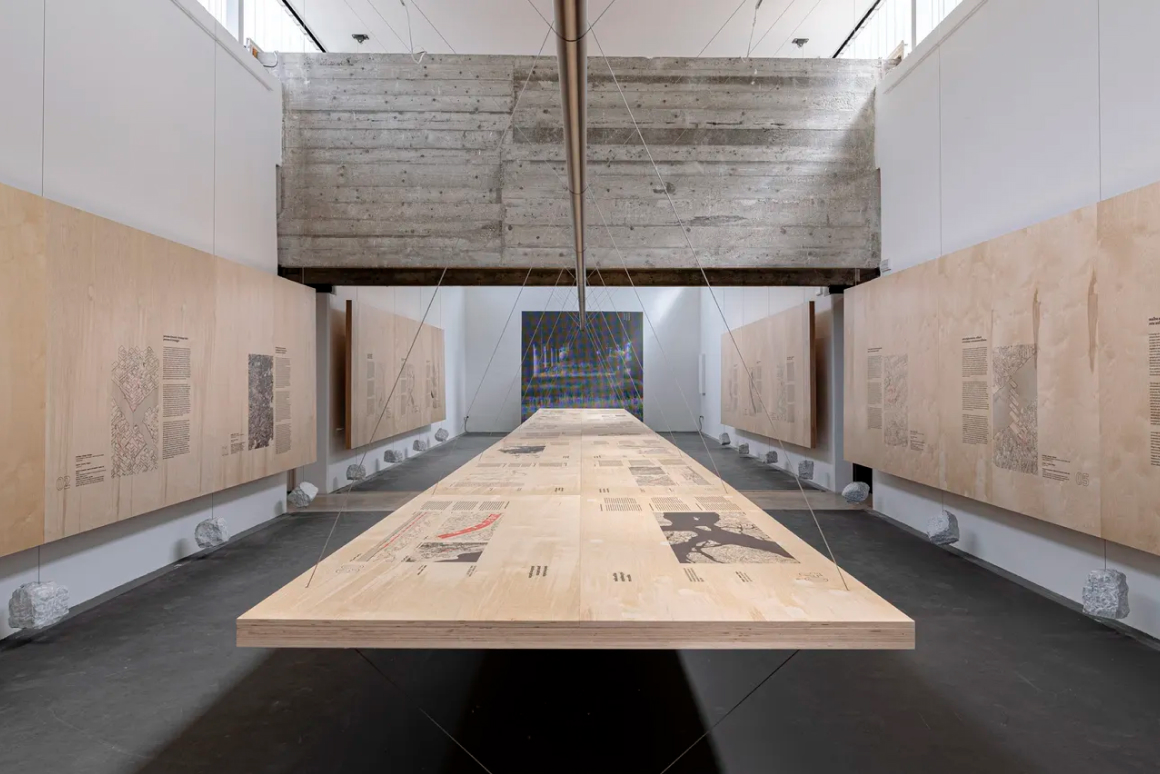
Brazil — (RE)INVENTION
Archaeology of the future. Amazonian canals as a source of solutions for modern cities.
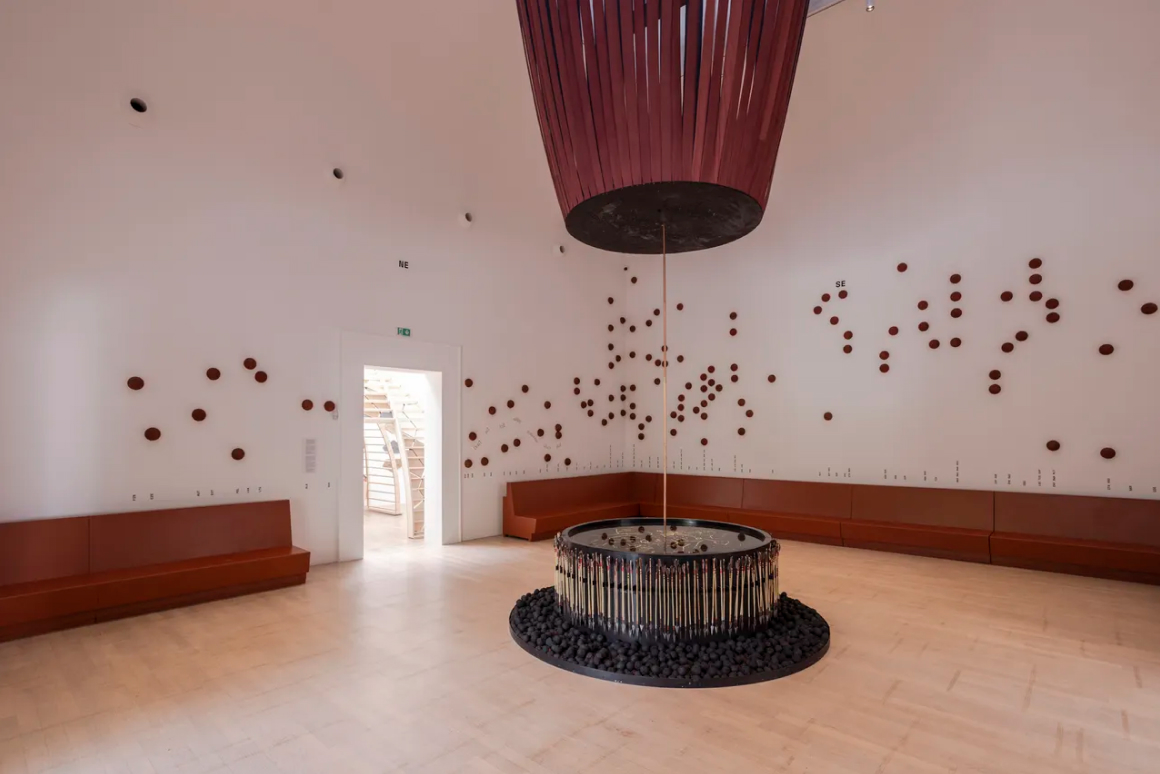
United Kingdom — Geology of Britannic Repair
Rethinking colonial history through materials. A reflective project that resonates deeply with contemporary Europe.
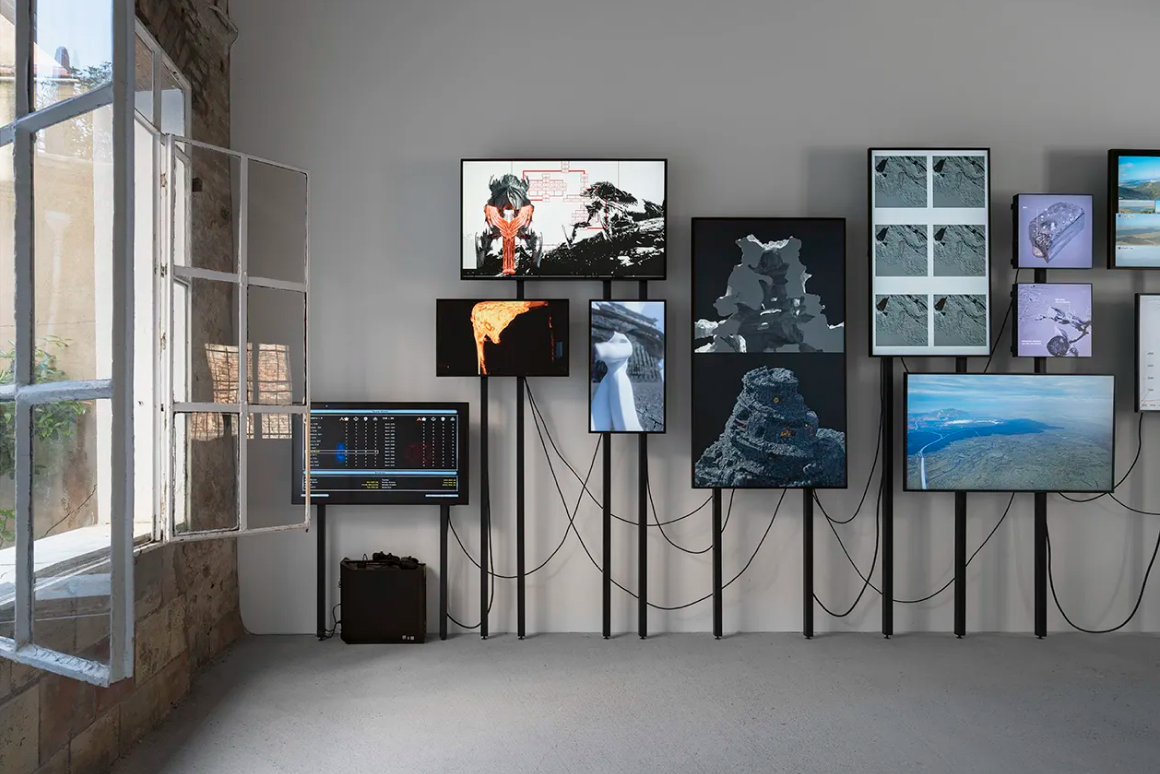
Iceland — Lavaforming
Lava is not a threat, but a resource. A revolutionary approach to extreme conditions.
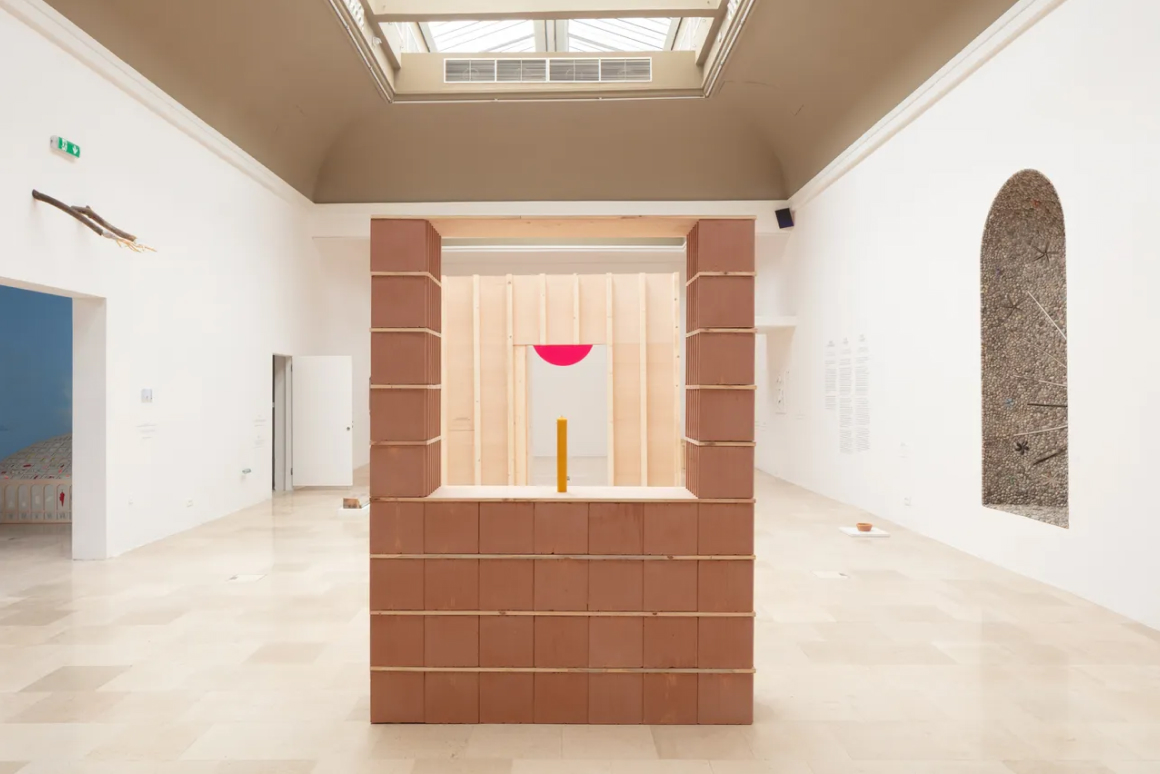
Poland — Lares and Penates
Security architecture through cultural symbolism. Very intimate, very sensitive.
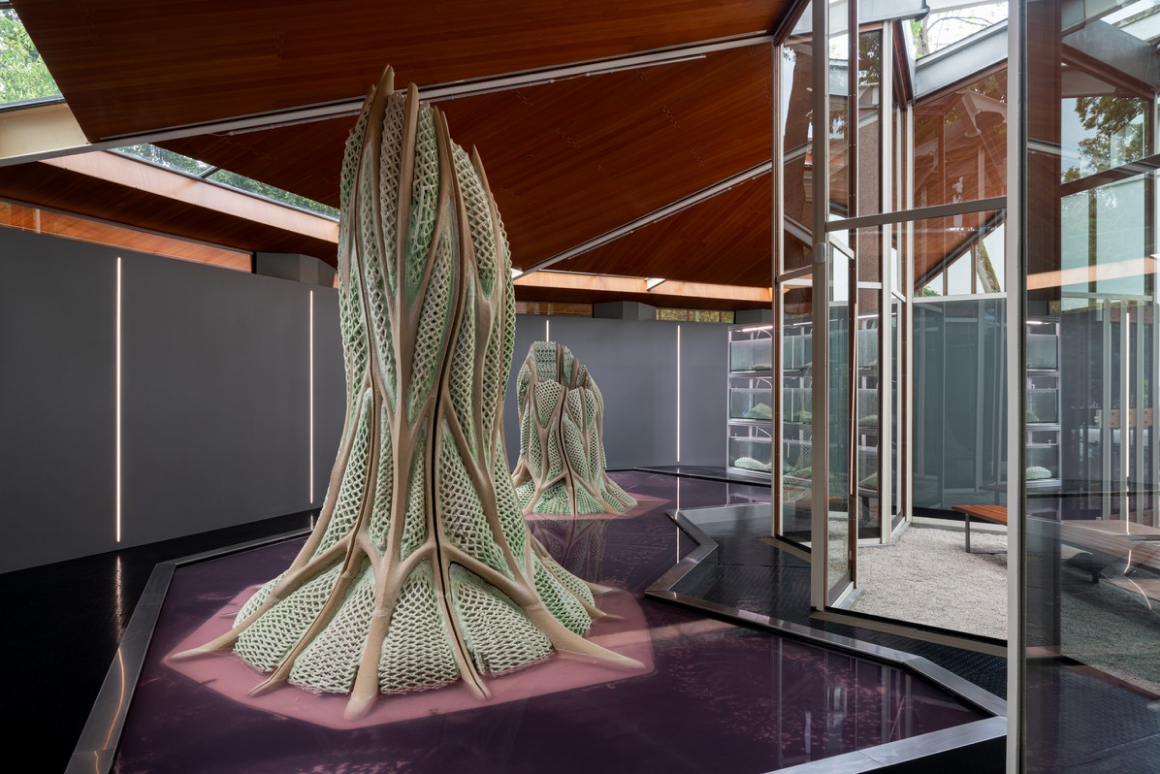
Canada — Picoplanktonics
Biofabrication and living structures. Impressive in both scale and conceptual delicacy.
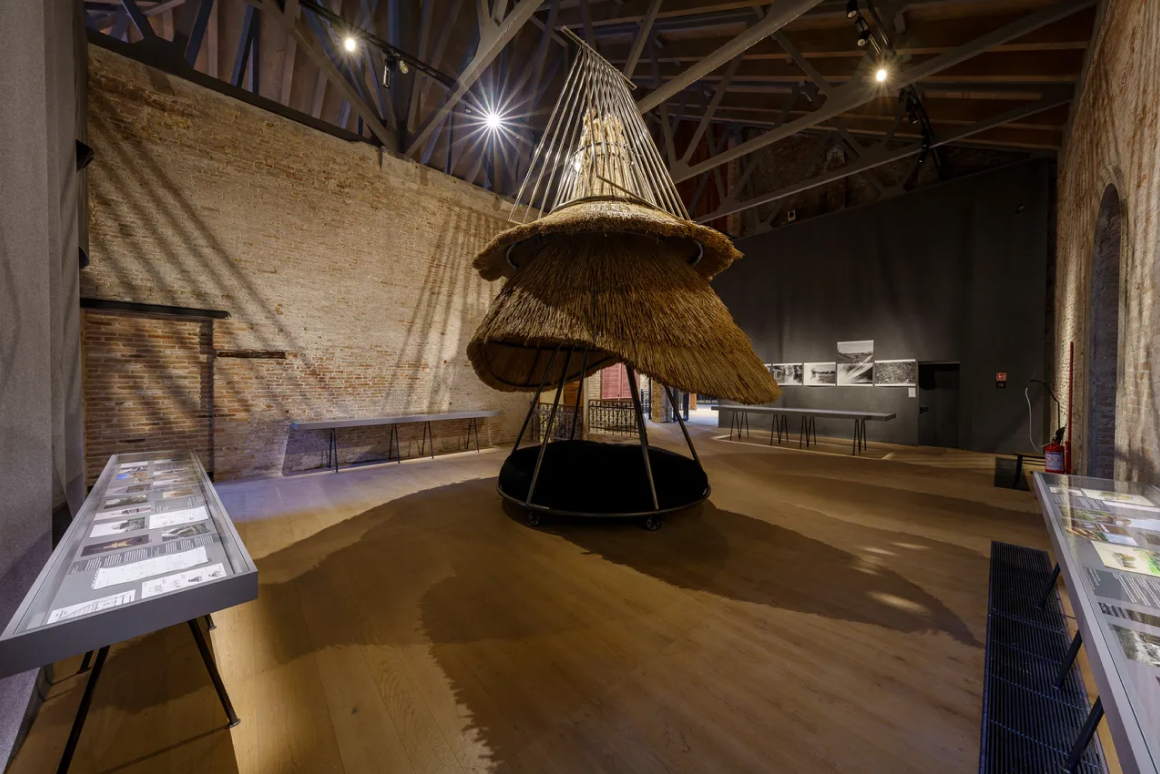
Ukraine — DAKH: Vernacular Hardcore
One of the most emotionally powerful pavilions. We were proud to see Ukrainian architecture speak the language of truth — through improvisation, ritual, and construction under wartime conditions. This project is not just about architecture, but about survival and dignity.
Awarded Projects:
Golden Lion: Diller Scofidio + Renfro (USA) for Canal Café — a coffee shop that also purifies water.
Silver Lion: Kate Crawford and Vladan Joler for their study of power structures in the age of AI.
Best National Pavilion: Bahrain for the Heatwave project, exploring traditional methods of cooling space.
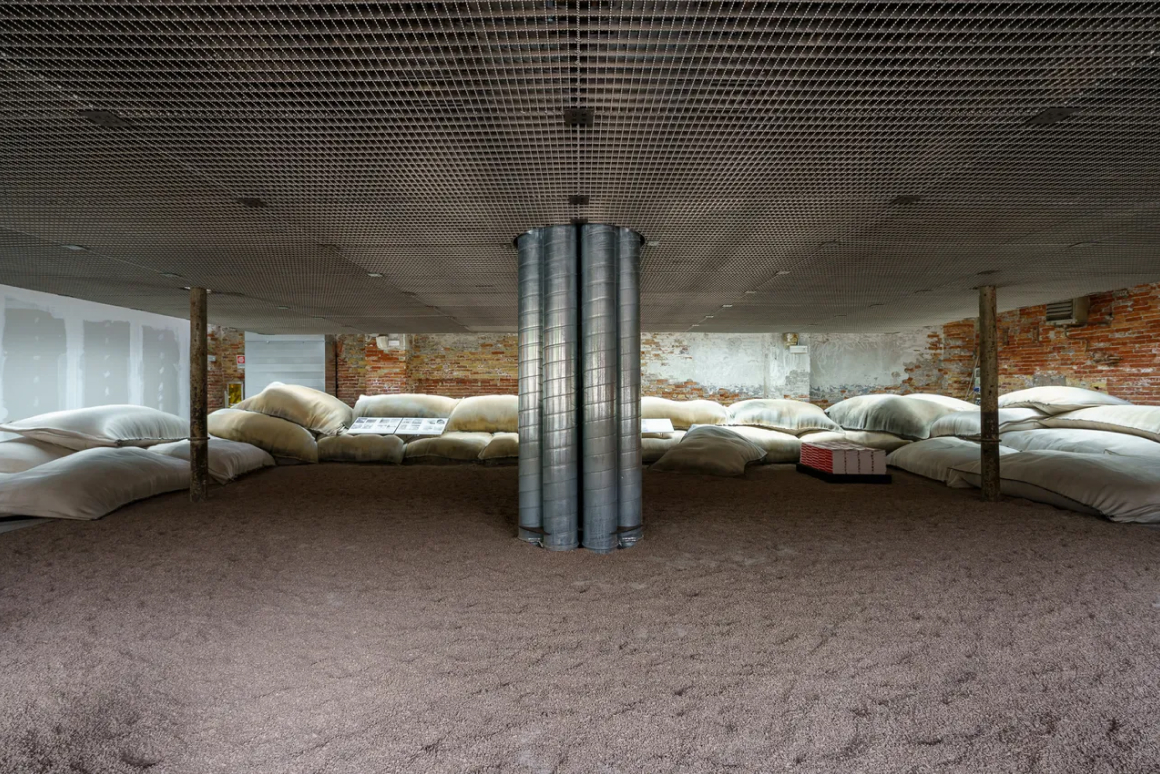
The Biennale 2025 is not just an exhibition — it is a mirror to the future. And that reflection is not simple — it’s filled with challenges, doubts, fears, and vast potential for interaction.
Carlo Ratti didn’t just offer a theme — he proposed a way of thinking: architecture as the interaction of three kinds of intelligence. It is within this triangle that something new is born — an architecture that coexists rather than dominates.
We return home with new meanings, inspiration, and confidence: the future belongs to architecture that thinks, feels, and remembers. And in that future, natural wood as a foundation has no less significance than any digital algorithm.
